Moving to Melbourne: Complete Rental Guide for Newcomers 2026
Get suburb rental alerts before your next inspection
Join the list for new rental alerts, suburb medians, and practical renter updates.
Join 2,400+ Victorian renters. Unsubscribe anytime.
title: "Moving to Melbourne: Complete Rental Guide for Newcomers 2026" slug: "moving-to-melbourne-rental-guide" description: "Moving to Melbourne? Complete 2026 rental guide for newcomers covering documents, costs, best suburbs, transport zones, application tips, and common mistakes." author: "Maya Chen" authorTitle: "Content Writer, RentBuzz" datePublished: "2026-04-01" dateModified: "2026-04-01" primaryKeyword: "moving to melbourne rental guide" image: "/images/articles/moving-to-melbourne-rental-guide-hero.jpg" ogImage: "/images/articles/moving-to-melbourne-rental-guide-hero.jpg" ogTitle: "Moving to Melbourne: Complete Rental Guide for Newcomers 2026" ogDescription: "Everything newcomers need to know about renting in Melbourne in 2026 — documents, costs, suburbs, and application tips." ogType: "article" ogUrl: "/guides/moving-to-melbourne-rental-guide" ogSiteName: "RentBuzz" twitterCard: "summary_large_image" twitterTitle: "Moving to Melbourne: Complete Rental Guide for Newcomers 2026" twitterDescription: "Everything newcomers need to know about renting in Melbourne in 2026 — documents, costs, suburbs, and application tips." twitterImage: "/images/articles/moving-to-melbourne-rental-guide-hero.jpg" twitterSite: "@rentbuzz" schema: article: "@context": "https://schema.org" "@type": "Article" headline: "Moving to Melbourne: Complete Rental Guide for Newcomers 2026" datePublished: "2026-04-01" dateModified: "2026-04-01" author: "@type": "Person" name: "Maya Chen" publisher: "@type": "Organization" name: "RentBuzz" logo: "@type": "ImageObject" url: "/images/rentbuzz-logo.png" image: - "/images/articles/moving-to-melbourne-rental-guide-hero.jpg" description: "Complete guide for newcomers renting in Melbourne 2026 with suburb profiles, costs, and practical tips." faq: "@context": "https://schema.org" "@type": "FAQPage" mainEntity: - "@type": "Question" name: "How much does it cost to start renting in Melbourne?" acceptedAnswer: "@type": "Answer" text: "Expect to pay around $2,500–$4,000 upfront to start renting in Melbourne. This includes one month's rent in advance, a bond equal to one month's rent, and moving costs. The exact amount depends on your suburb and property type." - "@type": "Question" name: "What documents do I need to rent in Melbourne?" acceptedAnswer: "@type": "Answer" text: "You typically need 100 points of ID (passport, driver licence, Medicare card), proof of income (payslips or employment letter), rental history or references, and a completed application form. Having these ready before inspections gives you an advantage." - "@type": "Question" name: "What is the average rent in Melbourne for a two-bedroom apartment?" acceptedAnswer: "@type": "Answer" text: "The median weekly rent for a two-bedroom apartment in Melbourne is approximately $480 per week as of early 2026. Inner-city apartments range from $520–$700, while outer suburbs can be as low as $350–$420." - "@type": "Question" name: "Which Melbourne suburbs are best for newcomers?" acceptedAnswer: "@type": "Answer" text: "Popular suburbs for newcomers include Footscray and Sunshine (affordable, multicultural), Brunswick and Northcote (trendy inner-north), Richmond and South Yarra (close to CBD), and Box Hill and Clayton (strong Asian communities). The best choice depends on your budget and lifestyle preferences."
Moving to Melbourne: Complete Rental Guide for Newcomers 2026
Whether you are relocating from interstate or arriving from overseas, Melbourne's rental market has its own rules, rhythms, and expectations. This guide covers everything newcomers need — from the documents you must prepare and upfront costs to budget, to the best suburbs for your lifestyle and how to navigate Melbourne's unique public transport system — so you can secure a rental with confidence.
By Maya Chen, Content Writer, RentBuzz — Last updated April 2026
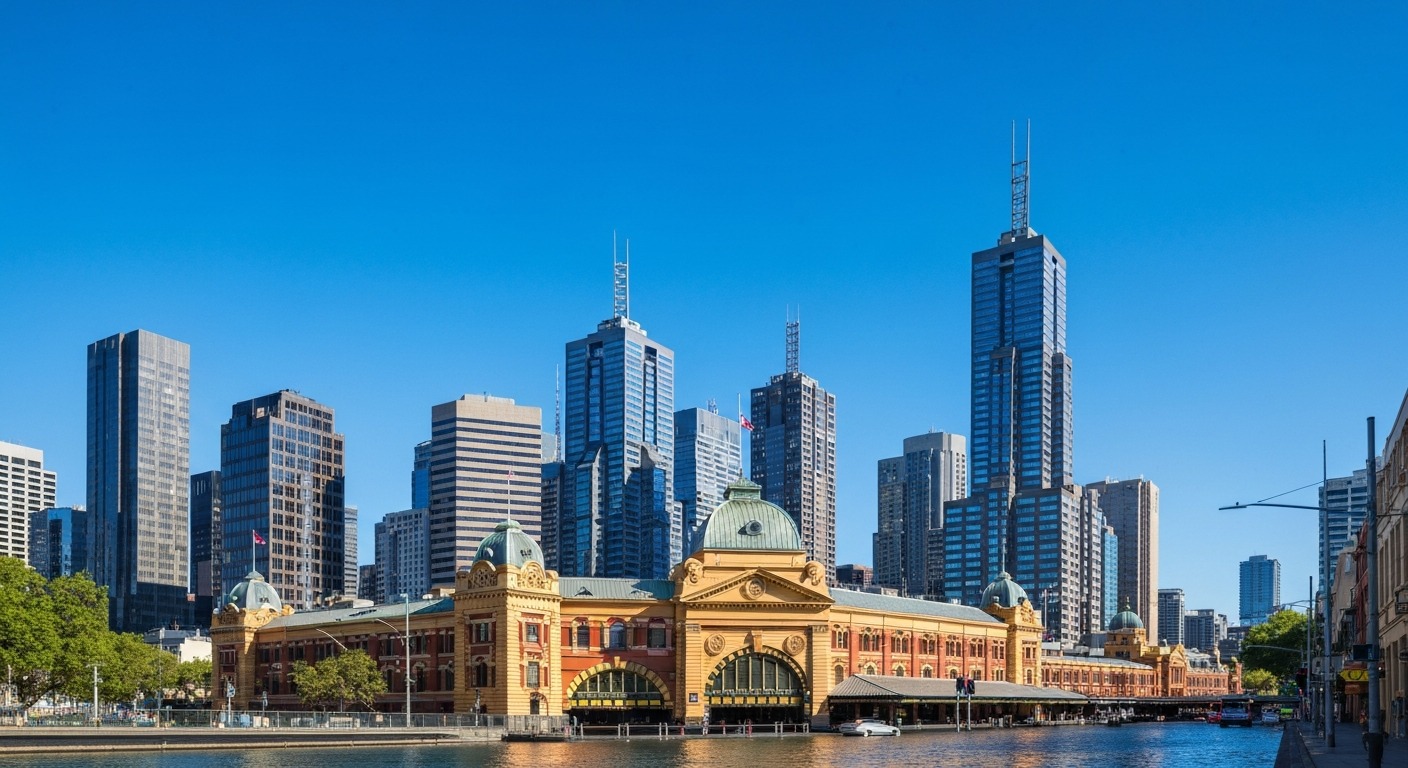
Table of Contents
- Why Melbourne? Understanding the City's Appeal
- Melbourne's Rental Market in 2026: A Snapshot
- Documents You Need to Rent in Melbourne
- Upfront Costs: What to Budget Before You Move
- Best Melbourne Suburbs for Newcomers by Lifestyle
- Understanding Melbourne's Public Transport and Myki System
- The Rental Application Process Step by Step
- Your Rights as a Renter in Victoria
- Common Mistakes Newcomers Make (and How to Avoid Them)
- Setting Up Utilities and Services
- Frequently Asked Questions
- Sources
Why Melbourne? Understanding the City's Appeal
Melbourne consistently ranks among the world's most liveable cities, and for good reason. The city offers a rare combination of cultural richness, employment opportunities, world-class education, and a lifestyle that balances urban energy with access to nature. For newcomers, understanding what makes Melbourne tick will help you choose the right neighbourhood and set realistic expectations.
Culture and Lifestyle
Melbourne is Australia's cultural capital. The city's laneways are lined with street art, independent cafes, and hidden bars. Live music venues operate on almost every block of the inner suburbs, and the restaurant scene covers every cuisine imaginable. If you value walkability, nightlife, and creative communities, Melbourne delivers consistently.
The city also hosts major international events throughout the year, including the Australian Open, the Melbourne Cup, the Formula One Grand Prix, and the Melbourne International Comedy Festival. These events shape the rhythm of the city and contribute to a vibrant social calendar.
Employment and Economy
Melbourne is home to headquarters for major Australian companies across finance, technology, healthcare, and professional services. The city's economy is diverse, which means employment opportunities span a wide range of industries. Key employment hubs include the CBD, Docklands, Southbank, and the growing technology corridor along the south-east.
For newcomers arriving with a job already secured, your workplace location should strongly influence where you choose to rent. Melbourne's commute times can vary dramatically depending on the suburb and transport connections, so aligning your home with your workplace saves both time and money.
Education
Melbourne hosts several world-ranked universities, including the University of Melbourne, Monash University, RMIT, and Deakin University. If you are arriving as a student or your partner will be studying, proximity to campus should be a key factor in your suburb selection. Student-friendly suburbs like Carlton, Clayton, Hawthorn, and Bundoora each cluster around specific campuses.
Melbourne's Rental Market in 2026: A Snapshot
Melbourne's rental market in 2026 is competitive but more balanced than it was during the post-pandemic squeeze of 2023-2024. Vacancy rates have improved slightly across the metropolitan area, sitting at around 1.8% in early 2026 according to SQM Research data. However, well-priced properties in popular suburbs still attract significant interest, and you should expect competition at open inspections.
Median Rents Across Melbourne
Rental prices vary significantly depending on property type and location. As of early 2026, here is what you can expect:
- One-bedroom apartment (metro average): $380–$450 per week
- Two-bedroom apartment (metro average): $450–$550 per week
- Three-bedroom house (metro average): $500–$650 per week
- Inner-city two-bedroom apartment: $520–$700 per week
- Outer suburban two-bedroom apartment: $350–$420 per week
For a detailed breakdown of current pricing across the city, read our guide on average rent in Melbourne for 2026.
Rental Market Trends to Know
Several trends are shaping Melbourne's rental landscape in 2026. First, purpose-built rental developments (known as build-to-rent projects) are adding new stock in areas like Docklands, Fishermans Bend, and the CBD. These developments often offer longer leases and professional management, which can be appealing for newcomers.
Second, the Victorian government's rental reforms continue to shift the balance toward renter protections. Rent increases are limited to once every 12 months, and a range of minimum standards now apply to all rental properties. Understanding these protections is essential before you sign a lease.
Third, regional Victoria has become a realistic option for remote workers. Cities like Geelong, Ballarat, and Bendigo offer significantly lower rents while maintaining strong transport links to Melbourne.
Documents You Need to Rent in Melbourne
One of the biggest hurdles for newcomers is meeting Melbourne's documentation requirements for rental applications. Agents and landlords typically use a points-based identification system, and you need to reach 100 points of ID. Preparing your documents before you begin inspecting properties gives you a meaningful advantage.

The 100-Point ID System
The 100-point identification check is standard across Victorian rental applications. Here is how the points typically break down:
Primary documents (70 points each):
- Australian passport (current or expired within two years)
- Foreign passport with valid visa
Secondary documents (40 points each):
- Australian driver licence or learner permit
- Medicare card
- Birth certificate
- Proof of age card
Tertiary documents (25 points each):
- Bank statement (within the last three months)
- Utility bill in your name
- Student ID card
- Vehicle registration papers
You need to combine these documents to reach a minimum of 100 points. For most newcomers, a passport (70 points) plus a secondary document like a Medicare card (40 points) will meet the threshold.
Income Verification
Agents want to see that you can comfortably afford the rent. The general expectation is that your rent should not exceed 30% of your gross household income. To demonstrate this, prepare:
- Recent payslips (at least two to four weeks of payslips from your current employer)
- Employment contract or letter confirming your position, salary, and start date
- Bank statements showing a consistent savings balance (particularly important if you are self-employed or have irregular income)
- Tax returns (if self-employed or a contractor)
If you are moving to Melbourne without a job yet, having substantial savings and a letter from a prospective employer can help. Some newcomers offer to pay several months of rent in advance to strengthen their application, though landlords are not legally required to accept this arrangement.
Rental References
If you have rented before — whether in Australia or overseas — gather references from previous landlords or property managers. Ideally, these should be written references on letterhead that include the landlord or agent's contact details for verification. A reference should confirm your tenancy dates, rent payment history, and the condition you left the property in.
For a comprehensive walkthrough of the entire application process, see our guide on how to apply for a rental in Victoria.
What If You Have No Australian Rental History?
Many newcomers face this challenge. Here are strategies that work:
- Provide international rental references with contact details
- Offer a larger bond or rent in advance (within legal limits)
- Include a personal reference from an employer or community leader
- Apply for properties managed by larger agencies, which tend to have more structured processes for assessing overseas applicants
- Consider short-term accommodation first (four to eight weeks) to build a local profile before applying for a long-term lease
Upfront Costs: What to Budget Before You Move
Moving to Melbourne involves significant upfront costs that catch many newcomers off guard. Planning your budget carefully before you arrive prevents financial stress during what is already a demanding transition.
Complete Cost Breakdown
| Cost Item | Typical Range | Notes | |---|---|---| | Bond (rental deposit) | $1,560–$2,600 | Equal to one month's rent; held by the Residential Tenancies Bond Authority (RTBA) | | First month's rent in advance | $1,560–$2,600 | Paid before you move in | | Removalist or moving costs | $300–$1,500 | Depends on distance and volume; interstate moves cost more | | Electricity connection | $0–$50 | Most providers offer free connection | | Gas connection | $0–$50 | Some properties are all-electric | | Internet setup | $0–$100 | Installation fees vary by provider; NBN connection may already be active | | Renter's insurance (contents) | $20–$40 per month | Optional but strongly recommended | | Myki card and initial top-up | $6 + $50 | Myki card fee plus a reasonable starting balance | | Basic furnishing (if unfurnished) | $500–$3,000 | Most Melbourne rentals are unfurnished | | Total estimated upfront cost | $4,000–$10,000 | Depends heavily on suburb, property type, and furnishing needs |
The bond is the single largest upfront cost. In Victoria, the bond is capped at one month's rent for properties renting at less than a specific threshold, and it is lodged with the RTBA rather than held by the landlord. For a full explanation of how bonds work in Victoria, read our bond Victoria guide.
Ongoing Monthly Costs
Beyond rent, budget for these recurring expenses:
- Electricity: $80–$160 per month (higher in winter due to heating)
- Gas: $40–$80 per month (if applicable)
- Water: $15–$30 per month (usage charges only; the landlord pays the service charge)
- Internet: $60–$90 per month for a standard NBN plan
- Contents insurance: $20–$40 per month
- Public transport (Myki): $180–$220 per month for a full-fare daily commuter
- Groceries: $300–$500 per month for a single person
A single person renting a one-bedroom apartment in a middle suburb should budget approximately $2,800–$3,500 per month for all living costs including rent.
Best Melbourne Suburbs for Newcomers by Lifestyle
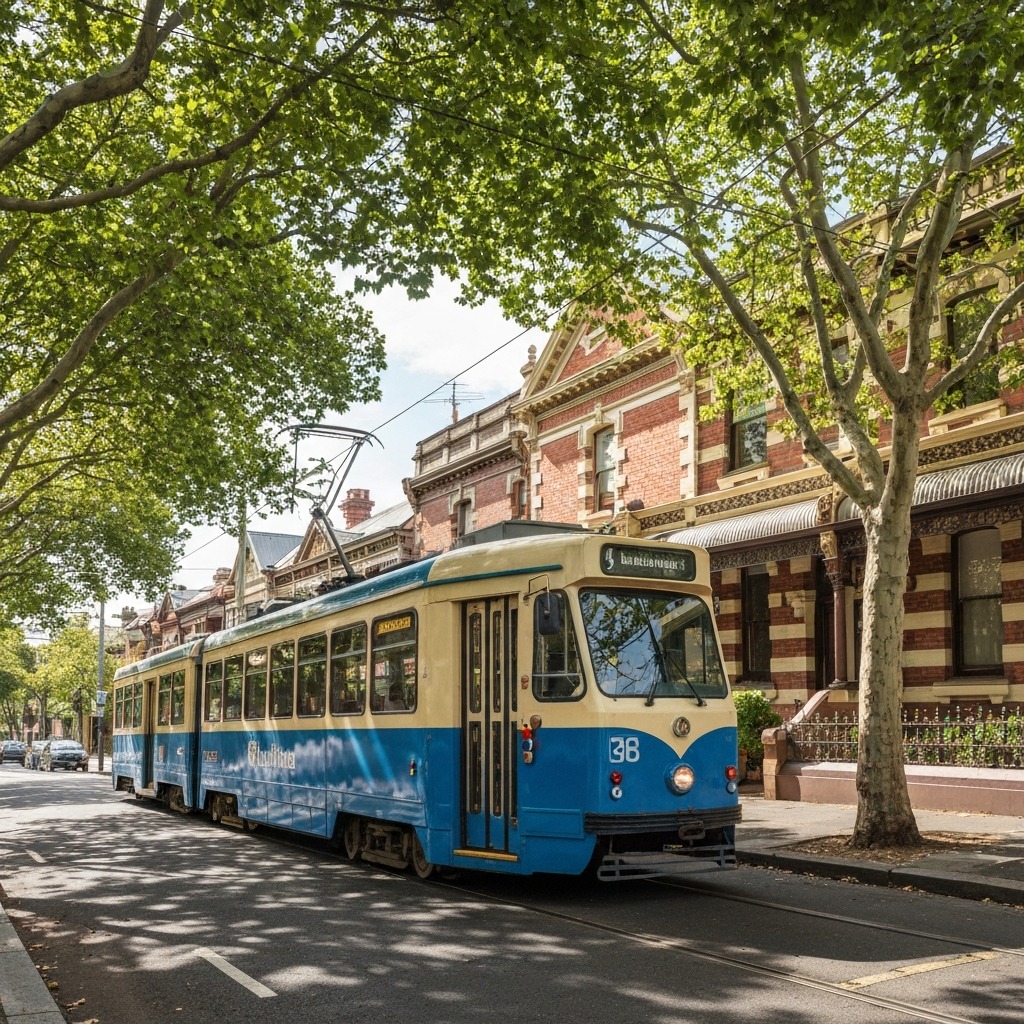
Choosing the right suburb is one of the most important decisions you will make when moving to Melbourne. The city is vast — Greater Melbourne spans over 9,900 square kilometres — and each suburb has its own character, price point, and transport connections. Below, we have organised 15+ suburbs into lifestyle categories to help you narrow down your search.
Affordable and Multicultural
If your priority is keeping costs down while living in a diverse, welcoming community, these suburbs deliver strong value.
Footscray — Located just 5 km west of the CBD, Footscray is one of Melbourne's most culturally diverse suburbs. The area has a thriving Vietnamese and African food scene, excellent market shopping at Footscray Market, and solid public transport connections via train and bus. Median rent for a two-bedroom apartment sits around $400–$440 per week. Footscray is undergoing significant gentrification, which means the suburb offers a mix of older, more affordable housing alongside newer developments.
Sunshine — Further west along the same train line, Sunshine offers even more affordable rents, typically $360–$400 per week for a two-bedroom apartment. The suburb has a strong multicultural community, growing retail infrastructure, and is set to benefit from the Suburban Rail Loop project in coming years. It is a practical choice for newcomers working in the western suburbs or CBD.
St Albans — One of Melbourne's most affordable inner-western suburbs, St Albans has a large Vietnamese community and some of the best pho in Melbourne. Two-bedroom apartments rent for around $340–$380 per week. The suburb has a train station on the Sunbury line, providing a direct commute to the CBD in approximately 30 minutes.
Dallas and Broadmeadows — In the northern corridor, these suburbs offer some of the lowest rents in metropolitan Melbourne, with two-bedroom apartments available from $320–$370 per week. Broadmeadows has a major shopping centre and train station. These suburbs are particularly popular with newly arrived migrant communities.
For a comprehensive list of the most budget-friendly options, check our guide on the cheapest suburbs to rent in Melbourne in 2026.
Trendy Inner-City Living
If you want walkability, cafe culture, nightlife, and a creative community, the inner north and inner west are where you want to be. Rents are higher, but the lifestyle trade-off is significant.
Brunswick — A perennial favourite among young professionals and creatives, Brunswick sits on the iconic Route 19 tram line (Sydney Road). The suburb is packed with independent shops, live music venues, Middle Eastern bakeries, and vintage stores. Two-bedroom apartments rent for $480–$560 per week. Brunswick offers a genuine village feel while being only 6 km from the CBD.
Northcote — Just east of Brunswick, Northcote has a similar creative energy but with a slightly more established feel. High Street Northcote is a destination for dining, boutique shopping, and weekend brunching. Two-bedroom rents range from $500–$580 per week. The suburb is well served by trams and the Mernda train line.
Fitzroy — Melbourne's original bohemian suburb, Fitzroy is dense with street art, rooftop bars, and independent galleries. It is also one of the most expensive inner-city options, with two-bedroom apartments renting for $550–$680 per week. If you can afford it, Fitzroy puts you at the heart of Melbourne's cultural scene and within walking distance of the CBD.
Collingwood — Adjacent to Fitzroy and sharing much of its creative character, Collingwood is slightly more affordable. The suburb has a thriving brewery and warehouse conversion scene, with two-bedroom apartments around $520–$620 per week. Smith Street, which runs along the Fitzroy-Collingwood border, is one of Melbourne's best dining strips.
Seddon and Yarraville — These inner-western suburbs offer a village atmosphere with strong community identity. Yarraville in particular is known for its cinema, cafe scene, and beautiful parks. Two-bedroom rents sit at $460–$530 per week. Both suburbs are on the Werribee train line, making CBD commutes straightforward.
For detailed profiles of the best areas for working professionals, see our guide on the best suburbs for young professionals in Melbourne 2026.
Close to the CBD
If minimising your commute is the top priority, these suburbs keep you within 5 km of Melbourne's central business district.
Richmond — One of the most popular suburbs for newcomers, Richmond sits immediately east of the CBD and benefits from exceptional public transport (multiple train lines, trams, and buses). Bridge Road and Victoria Street offer distinct shopping and dining precincts. Two-bedroom apartments rent for $500–$600 per week. Richmond's central location makes it ideal for those working in the CBD, Cremorne tech precinct, or inner east.
South Yarra — A premium inner-city suburb, South Yarra offers upscale dining along Chapel Street, proximity to the Royal Botanic Gardens, and excellent train connections. Two-bedroom apartments range from $550–$700 per week. The suburb attracts young professionals and international residents who prioritise location and lifestyle.
Southbank and Docklands — These CBD-adjacent precincts are dominated by high-rise apartment towers and purpose-built rental developments. They offer modern amenities (gyms, pools, concierge services) at two-bedroom rents of $520–$650 per week. The trade-off is that these areas can feel less characterful than established suburbs, but the convenience is hard to beat for CBD workers.
Prahran — Sitting between South Yarra and St Kilda, Prahran has a vibrant food market (Prahran Market), excellent tram connections, and a thriving hospitality scene. Two-bedroom apartments rent for $520–$620 per week. The suburb has a younger demographic and strong LGBTQ+ community.
Family-Friendly Suburbs
Newcomers arriving with families need access to good schools, parks, and a quieter residential atmosphere while maintaining reasonable transport links.
Box Hill — A major activity centre in the eastern suburbs, Box Hill has a large Asian community, excellent shopping (Box Hill Central), and strong transport connections via the Belgrave/Lilydale train line and multiple bus routes. Two-bedroom apartments rent for $420–$480 per week. The suburb has good primary and secondary school options and is close to Box Hill Hospital.
Clayton — Home to Monash University's main campus, Clayton has a strong Asian community and affordable rents. Two-bedroom apartments typically cost $380–$440 per week. The suburb sits on the Cranbourne/Pakenham train line and has good access to Monash Medical Centre. Clayton is popular with families from South Asian and East Asian backgrounds.
Glen Waverley — Known for its excellent schools (including Glen Waverley Secondary College, one of Victoria's top-performing public schools), this eastern suburb is a magnet for families who prioritise education. Two-bedroom apartments rent for $450–$520 per week. The suburb has a thriving restaurant scene along Kingsway and good train connections.
Reservoir — In the northern suburbs, Reservoir offers a blend of affordability and improving infrastructure. Two-bedroom rents sit at $390–$440 per week. The suburb is on the South Morang/Mernda train line, has several parks, and is undergoing gradual gentrification that is bringing new cafes and shops without dramatically increasing prices.
Werribee — For families who need maximum space at minimum cost, Werribee in Melbourne's outer west offers houses and larger apartments at significantly lower rents. Two-bedroom apartments start from $330–$380 per week. The suburb has its own town centre, regional hospital, and direct train service to the CBD (approximately 35 minutes).
Understanding Melbourne's Public Transport and Myki System
Melbourne's public transport network is extensive, covering trains, trams, and buses across the metropolitan area. Understanding how it works is essential for choosing where to live and budgeting your commuting costs.

How the Myki System Works
Myki is Melbourne's contactless ticketing system. You need a Myki card to travel on all trains, trams, and buses within the metropolitan area. Here is what you need to know:
- Myki card cost: $6 for a standard card (purchased at train stations, convenience stores, or online)
- Myki Money: Load credit onto your card and fares are deducted per trip. This is best for infrequent travellers.
- Myki Pass: Pre-purchase a set number of days of travel (7 days to 365 days). This is cheaper for daily commuters who travel five or more days per week.
- Touch on, touch off: You must touch your Myki card to the reader when boarding and when alighting on trains and buses. On trams, you touch on but do not need to touch off.
Fare Zones Explained
Melbourne's public transport operates across two zones:
- Zone 1: Covers the CBD and inner to middle suburbs (roughly within 15-20 km of the city centre)
- Zone 2: Covers outer suburbs beyond the Zone 1 boundary
Daily fare caps (full fare, 2026):
- Zone 1 + 2 (or Zone 1 only): $10.60 per day
- Zone 2 only: $7.40 per day
Weekly cap: $53.00 for Zone 1 + 2
The daily cap means that once you have paid the equivalent of two full-fare trips in a day, all additional travel is free. This makes it cost-effective to use public transport for both commuting and leisure travel.
Free Tram Zone
One of Melbourne's most newcomer-friendly features is the Free Tram Zone, which covers the entire CBD and extends to Docklands, Queen Victoria Market, and the sporting precinct around the MCG and AAMI Park. Within this zone, you do not need to touch on your Myki — tram travel is completely free. This is particularly useful if you work in the CBD and live nearby, as your daily commute may cost nothing.
Train Lines and What They Connect
Melbourne's train network radiates from the CBD in a spoke pattern. The lines most relevant to newcomers include:
- Sunbury/Craigieburn line: Serves the northern and north-western suburbs including Footscray, Sunshine, and St Albans
- South Morang/Mernda line: Serves the inner north and north-east including Northcote, Reservoir, and Bundoora
- Belgrave/Lilydale line: Serves the eastern suburbs including Richmond, Box Hill, and Glen Waverley (via interchange)
- Cranbourne/Pakenham line: Serves the south-eastern suburbs including Clayton and Dandenong
- Werribee/Williamstown line: Serves the western suburbs including Seddon, Yarraville, and Werribee
- Frankston line: Serves the bayside suburbs including Prahran, South Yarra, and the Mornington Peninsula corridor
- Glen Waverley line: Direct service to Glen Waverley via Richmond
Transport Tips for Newcomers
- Google Maps is your friend. The public transport directions in Google Maps are accurate for Melbourne and include real-time departure information.
- PTV app: Download the Public Transport Victoria (PTV) app for journey planning, real-time tracking, and service disruptions.
- Register your Myki online at mymyki.com.au to enable auto top-up and protect your balance if your card is lost or stolen.
- Consider location vs. commute trade-offs carefully. A suburb with lower rent but a longer commute may not save you money once you factor in transport costs and the value of your time.
The Rental Application Process Step by Step
Melbourne's rental application process follows a structured pattern. Understanding each step and preparing in advance significantly improves your chances of success, particularly in a competitive market.
Step 1: Search and Shortlist
Begin your search on major property platforms: Domain.com.au and realestate.com.au are the two primary listing sites in Australia. Filter by suburb, price range, property type, and number of bedrooms. Set up alerts for new listings in your target suburbs, as desirable properties can receive applications within 24-48 hours of being listed.
Step 2: Attend Open Inspections
Most rental properties in Melbourne are shown during scheduled open inspections, typically held on weekdays (often mid-week) and Saturdays. These are group inspections where multiple prospective tenants view the property simultaneously. Arrive on time, introduce yourself to the agent, and take notes on the property's condition.
Key things to check during an inspection:
- Water pressure (turn on taps)
- Natural light and ventilation
- Phone signal strength
- Storage space
- Signs of damp, mould, or pest issues
- Condition of appliances and fixtures
- Noise levels (from traffic, neighbours, or nearby venues)
- Parking arrangements
Step 3: Submit Your Application
Applications are typically submitted online through platforms like 2Apply, Snug, or the agency's own system. You will need to upload your identification documents, proof of income, and rental references. Complete the application as thoroughly as possible — incomplete applications are often dismissed without consideration.
Some key application strategies:
- Submit on the same day as the inspection. Speed matters in Melbourne's market.
- Include a cover letter. A brief, professional note introducing yourself and explaining why you are a reliable tenant can help your application stand out.
- Be honest about your situation. If you are new to Melbourne and lack local references, acknowledge this and provide whatever alternative evidence you can (international references, employment letter, savings evidence).
- Apply for multiple properties simultaneously. Do not put all your hopes on a single application. It is common to apply for three to five properties before being approved.
For a full walkthrough of the Victorian application process with templates, read our guide on how to apply for a rental in Victoria.
Step 4: Application Review and Approval
Agents typically take two to five business days to process applications. They will verify your identity, contact your references, and confirm your employment. If your application is successful, the agent will contact you to arrange lease signing and payment of the bond and first month's rent.
Step 5: Sign the Lease and Pay the Bond
In Victoria, residential leases are governed by the Residential Tenancies Act 1997 (as amended). Before signing, read the lease carefully and ensure you understand:
- The lease term (typically 12 months for an initial fixed-term lease)
- Rent amount and payment frequency
- Any special conditions
- The property's condition report
The bond (equal to one month's rent) is lodged with the Residential Tenancies Bond Authority (RTBA), not held by the landlord. You should receive a bond lodgement receipt — keep this for your records.
Step 6: Condition Report
Before or on the day you move in, you will receive a condition report detailing the state of the property. Review this document meticulously and note any existing damage or issues. You have three business days to return the report with your amendments. This document protects you when you move out, as it establishes the baseline condition of the property.
For everything you need to do in the first week of your new tenancy, see our checklist for moving into a new rental.
Your Rights as a Renter in Victoria
Victoria has some of the strongest renter protections in Australia. As a newcomer, understanding your rights ensures you are treated fairly and know where to turn if problems arise.
Key Renter Protections
- Rent increases: Landlords can only increase rent once every 12 months and must provide at least 60 days' written notice. The increase must not be excessive — if you believe it is, you can challenge it through Consumer Affairs Victoria or VCAT (Victorian Civil and Administrative Tribunal).
- Minimum standards: All rental properties in Victoria must meet 14 minimum standards, including working heating, functioning locks, adequate ventilation, and window coverings in bedrooms.
- Repairs: Landlords are responsible for maintaining the property in good repair. Urgent repairs (such as burst pipes, dangerous electrical faults, or gas leaks) must be attended to within a specified timeframe. If the landlord fails to act, you can arrange urgent repairs up to a prescribed limit and be reimbursed.
- No eviction without cause: Under Victoria's rental reforms, landlords cannot end a lease without a valid reason. This provides significantly more security than some other Australian states.
- Privacy: Landlords must provide at least 24 hours' written notice before entering the property for inspections, and inspections are limited to once every six months.
- Pets: Landlords cannot unreasonably refuse a request to keep a pet. If they refuse, they must apply to VCAT to have the refusal upheld.
For a comprehensive overview of your legal protections, read our renter rights Victoria guide.
Where to Get Help
- Consumer Affairs Victoria: The primary government body for rental disputes and information. Visit consumer.vic.gov.au or call 1300 558 181.
- Tenants Victoria: A free legal service for renters. Visit tenantsvic.org.au for advice, factsheets, and assistance with disputes.
- VCAT: If you cannot resolve a dispute with your landlord directly, you can apply to VCAT for a legally binding decision.
Common Mistakes Newcomers Make (and How to Avoid Them)
After speaking with hundreds of newcomers who have navigated Melbourne's rental market, these are the most common pitfalls and how to steer clear of them.
Mistake 1: Not Having Documents Ready
Too many newcomers attend inspections without their documents prepared. In a competitive market, being able to submit a complete application within hours of viewing a property is essential. Prepare a digital folder with all your documents before you start inspecting.
Mistake 2: Choosing a Suburb Without Visiting First
Online research only tells you so much. A suburb that looks perfect on paper might have unexpected noise issues, poor walkability, or a vibe that does not suit your lifestyle. If possible, spend time in your shortlisted suburbs before committing — walk the streets, eat at local cafes, and test the commute to your workplace during peak hour.
Mistake 3: Ignoring the Condition Report
The condition report is your financial protection. If you do not document existing damage before moving in, you risk losing part of your bond when you move out. Take photographs and video of every room, paying particular attention to walls, carpets, appliances, and outdoor areas. Note every scratch, mark, and imperfection, no matter how minor.
Mistake 4: Underestimating Upfront Costs
As outlined in the cost breakdown above, moving into a rental in Melbourne requires significant upfront capital. Many newcomers budget only for the bond and first month's rent, forgetting about utility connections, furnishing (most Melbourne rentals are unfurnished), and initial grocery and household setup costs.
Mistake 5: Signing Without Understanding the Lease
Victorian leases contain important details about your obligations and the landlord's obligations. Read every clause before signing. If something is unclear, contact Consumer Affairs Victoria or Tenants Victoria for clarification. Do not feel pressured to sign immediately — you are entitled to take the document away and review it.
Mistake 6: Overlooking Transport Connections
Melbourne is a large, spread-out city. A suburb might have low rent, but if it requires two bus transfers and a train to reach your workplace, your daily commute could exceed 90 minutes each way. Always test the commute using Google Maps or the PTV app during the times you would actually be travelling.
Mistake 7: Paying a Holding Deposit to an Unverified Source
Rental scams do exist in Melbourne. Never pay a deposit or bond without verifying that the agent or landlord is legitimate. Check that the agent holds a valid licence through the Consumer Affairs Victoria register. Never transfer money based solely on an online listing — always inspect the property in person first.
Mistake 8: Not Getting Contents Insurance
Contents insurance is inexpensive (typically $20-$40 per month) and protects your belongings against theft, fire, water damage, and other events. Your landlord's insurance covers the building, not your possessions. Setting up contents insurance before you move in is strongly recommended.
Mistake 9: Forgetting to Set Up Mail Redirection
If you are moving from interstate, set up mail redirection through Australia Post. This ensures important documents (bank statements, government correspondence, medical results) reach you at your new address. You can set this up online at auspost.com.au.
Mistake 10: Not Budgeting for Melbourne's Weather
Melbourne is famous for experiencing "four seasons in one day." If you are arriving from a warmer climate, budget for heating costs during winter (June to August) and invest in appropriate clothing. Heating can add $50-$100 per month to your energy bills during the colder months.
Setting Up Utilities and Services
Once your lease is signed, you need to arrange connections for essential services before your move-in date.
Electricity and Gas
Victoria has a deregulated energy market, which means you can choose from multiple electricity and gas providers. Key providers include AGL, Origin Energy, Energy Australia, Momentum Energy, and numerous smaller retailers. Use the Victorian Energy Compare website (compare.energy.vic.gov.au) to find the best deal for your usage pattern. Most connections can be arranged online or by phone and take one to three business days.
Internet
NBN (National Broadband Network) is the standard internet infrastructure across most of Melbourne. Check what NBN technology type is available at your address using the NBN checker at nbnco.com.au. Common providers include Aussie Broadband, Superloop, Telstra, and TPG. Plans typically range from $60 to $90 per month for speeds suitable for streaming and working from home.
Water
Water is handled differently from other utilities. The landlord pays the water service charge, but you are responsible for water usage charges. Your water provider is determined by your address — Melbourne's main water retailers are South East Water, Yarra Valley Water, and City West Water. The property manager will typically transfer the account into your name.
Other Essential Setups
- Bank account: If you do not already have an Australian bank account, open one as soon as possible. Major banks (CommBank, ANZ, NAB, Westpac) and digital banks (Up, ING, Macquarie) all offer easy online account opening.
- Medicare: If you are eligible, enrol in Medicare for access to Australia's public healthcare system.
- Centrelink (if applicable): Register with Services Australia if you are eligible for any government support payments.
- Electoral enrolment: Australian citizens and eligible permanent residents are required to enrol to vote. Update your address with the Australian Electoral Commission.
If you are a first-time renter or want a comprehensive overview of the entire process, our guide on renting in Melbourne for first-time renters covers all the foundational knowledge you need.
Frequently Asked Questions
How much does it cost to start renting in Melbourne?
Expect to pay around $2,500–$4,000 upfront to start renting in Melbourne. This includes one month's rent in advance, a bond equal to one month's rent, and moving costs. The exact amount depends on your suburb and property type. If you are furnishing an unfurnished property (which is the norm in Melbourne), add $500–$3,000 depending on your needs.
What documents do I need to rent in Melbourne?
You typically need 100 points of ID (passport, driver licence, Medicare card), proof of income (payslips or employment letter), rental history or references, and a completed application form. Having these ready before inspections gives you a significant advantage in Melbourne's competitive market.
What is the average rent in Melbourne for a two-bedroom apartment?
The median weekly rent for a two-bedroom apartment in Melbourne is approximately $480 per week as of early 2026. Inner-city apartments range from $520–$700, while outer suburbs can be as low as $350–$420. Rent varies significantly by suburb, so researching specific areas is essential.
Which Melbourne suburbs are best for newcomers?
Popular suburbs for newcomers include Footscray and Sunshine (affordable, multicultural), Brunswick and Northcote (trendy inner-north), Richmond and South Yarra (close to CBD), and Box Hill and Clayton (strong Asian communities). The best choice depends on your budget, workplace location, and lifestyle preferences.
Can I rent in Melbourne without an Australian rental history?
Yes, but it requires extra preparation. Provide international rental references, proof of employment or substantial savings, and consider offering rent in advance. Starting with short-term accommodation (such as a serviced apartment for four to eight weeks) while you build a local profile and attend inspections in person can also be an effective strategy.
How long does it take to find a rental in Melbourne?
Most newcomers find a rental within two to six weeks of actively searching and applying. The timeline depends on your budget, flexibility on location, the quality of your application, and current market conditions. Having your documents ready and applying quickly after inspections shortens this timeline significantly.
Is it better to rent furnished or unfurnished in Melbourne?
Most long-term rentals in Melbourne are unfurnished. Furnished properties exist but are more common in the short-term or corporate rental market and command a premium of 20-40% over unfurnished equivalents. If you are planning to stay for 12 months or more, renting unfurnished and purchasing basic furniture is typically more cost-effective.
What happens if my landlord wants to increase the rent?
In Victoria, rent can only be increased once every 12 months with at least 60 days' written notice. If you believe the increase is excessive, you can apply to VCAT to have it reviewed. Consumer Affairs Victoria provides guidance on what constitutes an excessive increase based on comparable market rents.
Sources
- Consumer Affairs Victoria — Renting in Victoria: rights and responsibilities. consumer.vic.gov.au/housing/renting
- Real Estate Institute of Victoria (REIV) — Melbourne median rental data, quarterly market reports. reiv.com.au
- Domain.com.au — Melbourne rental listings, suburb profiles, and quarterly rental reports. domain.com.au/research
- Public Transport Victoria (PTV) — Myki fares, zone information, and journey planning. ptv.vic.gov.au
- SQM Research — Melbourne residential vacancy rates and rental yield data. sqmresearch.com.au
- Residential Tenancies Bond Authority (RTBA) — Bond lodgement and claim processes. rtba.vic.gov.au
- Victorian Energy Compare — Government energy comparison tool for electricity and gas. compare.energy.vic.gov.au
Keep your shortlist moving
Get suburb-specific rental updates once you have narrowed your target areas.
FAQ
Get RentBuzz's weekly market update
Suburb medians, sample listings, and strategy notes for Victorian renters.
About the author
RentBuzz Editorial Team writes practical Victoria-first rental guides focused on suburb pricing, application readiness, and renter decision-making.
Want more Victorian rental advice?
Join our footer list for new guides, calculators, and suburb pricing movement.