Pet-Friendly Rentals Melbourne: Best Suburbs & How to Find Them 2026
Get suburb rental alerts before your next inspection
Join the list for new rental alerts, suburb medians, and practical renter updates.
Join 2,400+ Victorian renters. Unsubscribe anytime.
title: "Pet-Friendly Rentals Melbourne: Best Suburbs & How to Find Them 2026" slug: "pet-friendly-rentals-melbourne" description: "Find pet-friendly rentals in Melbourne 2026. Best suburbs, how to present a pet CV, landlord obligations under Victorian law, and tips for pet owners." author: "Maya Chen" authorTitle: "Content Writer, RentBuzz" datePublished: "2026-04-01" dateModified: "2026-04-01" primaryKeyword: "pet friendly rentals melbourne" image: "/images/articles/pet-friendly-rentals-melbourne-hero.jpg" ogImage: "/images/articles/pet-friendly-rentals-melbourne-hero.jpg" ogTitle: "Pet-Friendly Rentals Melbourne: Best Suburbs & How to Find Them 2026" ogDescription: "Find pet-friendly rentals in Melbourne with best suburbs, pet CV tips, and Victorian rental law changes for pet owners." ogType: "article" ogUrl: "/guides/pet-friendly-rentals-melbourne" ogSiteName: "RentBuzz" twitterCard: "summary_large_image" twitterTitle: "Pet-Friendly Rentals Melbourne: Best Suburbs & How to Find Them 2026" twitterDescription: "Find pet-friendly rentals in Melbourne with best suburbs, pet CV tips, and Victorian law for pet owners." twitterImage: "/images/articles/pet-friendly-rentals-melbourne-hero.jpg" twitterSite: "@rentbuzz" schema: article: "@context": "https://schema.org" "@type": "Article" headline: "Pet-Friendly Rentals Melbourne: Best Suburbs & How to Find Them 2026" datePublished: "2026-04-01" dateModified: "2026-04-01" author: "@type": "Person" name: "Maya Chen" publisher: "@type": "Organization" name: "RentBuzz" logo: "@type": "ImageObject" url: "/images/rentbuzz-logo.png" image: - "/images/articles/pet-friendly-rentals-melbourne-hero.jpg" description: "Pet-friendly rentals Melbourne 2026 with best suburbs, pet CV tips, and Victorian rental law for pet owners." faq: "@context": "https://schema.org" "@type": "FAQPage" mainEntity: - "@type": "Question" name: "Can a landlord refuse pets in Victoria?" acceptedAnswer: "@type": "Answer" text: "Under Victorian law since 2020, landlords can only refuse a pet request by applying to VCAT within 14 days. They must demonstrate a valid reason such as the property being unsuitable. Simply preferring no pets is not sufficient grounds for refusal." - "@type": "Question" name: "What is a pet CV for a rental application?" acceptedAnswer: "@type": "Answer" text: "A pet CV is a one-page document that introduces your pet to a landlord. It typically includes the pet's name, breed, age, temperament, vaccination records, any training certificates, a reference from a previous landlord or vet, and a photo." - "@type": "Question" name: "Which Melbourne suburbs are most pet-friendly for renters?" acceptedAnswer: "@type": "Answer" text: "Suburbs with higher pet-approval rates include Yarraville, Seddon, Newport, and Williamstown in the west, and Northcote, Preston, and Reservoir in the north. These areas have more houses with yards and established off-leash dog parks." - "@type": "Question" name: "Can a landlord charge a pet bond in Victoria?" acceptedAnswer: "@type": "Answer" text: "No. In Victoria, landlords cannot charge a separate pet bond or additional deposit for pets. The maximum bond remains capped at one month's rent regardless of whether a pet is approved."
Pet-Friendly Rentals Melbourne: Best Suburbs & How to Find Them in 2026
By Maya Chen, Content Writer at RentBuzz | Last updated April 2026
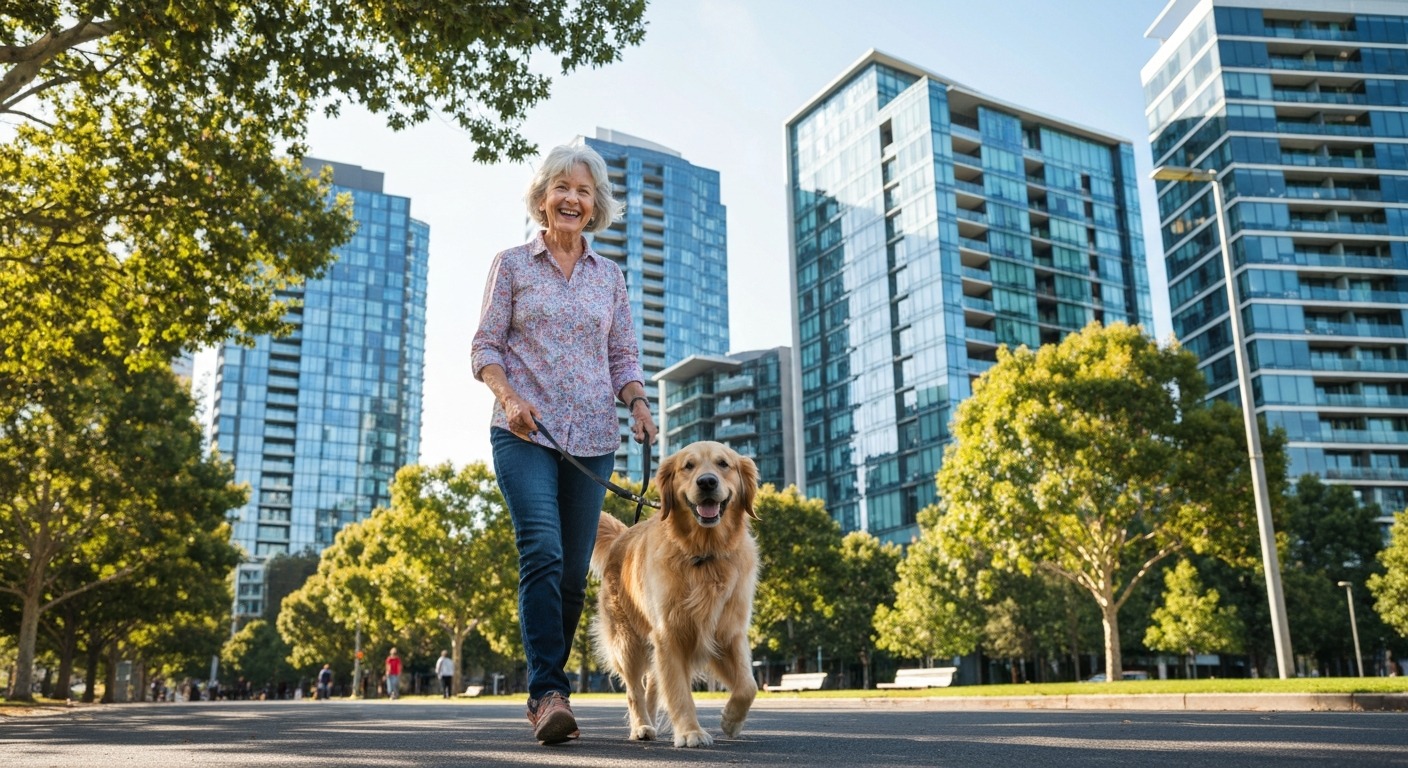
Finding pet-friendly rentals in Melbourne has become significantly easier since Victoria reformed its tenancy laws. Landlords can no longer blanket-refuse pets without applying to VCAT, and approval rates across the city now exceed 80 percent. This guide covers the best suburbs, how to build a winning pet CV, your rights under the law, and practical strategies to secure a rental with your furry companion.
Table of Contents
- Victorian Law on Pets in Rentals: What Changed and Why It Matters
- How the Pet Approval Process Works in 2026
- Best Pet-Friendly Suburbs in Melbourne
- How to Create a Winning Pet CV
- Tips for Finding Pet-Friendly Listings
- Landlord Obligations and Tenant Responsibilities
- Cats, Birds, and Other Non-Dog Pets
- Pet Application Success Rates: What the Data Shows
- Frequently Asked Questions
- Sources and Further Reading
Victorian Law on Pets in Rentals: What Changed and Why It Matters {#victorian-law-on-pets-in-rentals}
Before 2020, renting with a pet in Melbourne often felt impossible. Lease clauses routinely stated "no pets allowed," and landlords had unrestricted power to reject any animal without explanation. The Residential Tenancies Amendment Act 2018 — which came into effect on 2 March 2020 — fundamentally shifted the balance. Understanding this legislation is the single most important step for any pet-owning renter in Victoria.
The Key Legal Change
Under the amended Residential Tenancies Act 1997, a renter has the right to keep a pet at the property. The process works as follows:
- The renter sends the landlord (or their agent) a written request to keep a pet.
- The landlord has 14 days to respond.
- If the landlord consents, the pet is approved. The landlord may attach reasonable conditions, such as keeping the pet outdoors or requiring professional carpet cleaning at the end of the tenancy.
- If the landlord wants to refuse, they must apply to the Victorian Civil and Administrative Tribunal (VCAT) within those 14 days. They cannot simply say no.
- If the landlord fails to respond within 14 days, the renter's request is deemed approved by default.
This framework means that the burden of proof has shifted. It is the landlord — not the tenant — who must justify a refusal. VCAT will only grant a refusal if the landlord demonstrates a genuine reason, such as the property being a small apartment unsuitable for a large dog, a strata by-law prohibiting animals, or a risk to the health and safety of neighbours.
What Counts as a Valid Refusal
Consumer Affairs Victoria provides guidance on the grounds VCAT may consider when a landlord applies to refuse a pet request:
- The property is genuinely unsuitable for the type of animal (for example, a large dog in a studio apartment with no outdoor access).
- An owners corporation rule prohibits pets in the building and the landlord cannot override it.
- Keeping the pet would pose an unacceptable risk of damage beyond normal wear and tear.
- The pet would create a health or safety hazard.
Importantly, a landlord's personal preference or a generalised concern about property damage is not sufficient. VCAT expects specific, evidence-based reasons tied to the property or the animal in question.
No Pet Bonds Allowed
A common misconception persists among renters that landlords can charge an additional bond or deposit for pets. This is incorrect. Under the Residential Tenancies Act, the maximum bond a landlord can collect is capped at one month's rent for properties with a weekly rent at or below a prescribed threshold, regardless of whether a pet is present. There is no provision for a separate "pet bond" in Victoria. If a landlord or agent asks you to pay one, they are acting outside the law, and you should contact Consumer Affairs Victoria or Tenants Victoria for advice.
For a broader overview of your rights as a renter in Victoria, see our renter rights Victoria guide.
How the Pet Approval Process Works in 2026 {#how-the-pet-approval-process-works}
Knowing the law is one thing; navigating the process smoothly is another. Here is a step-by-step breakdown of how to request pet approval in your rental.
Step 1: Submit a Written Request
Your request should be in writing — email is fine. Include the following details:
- Your full name and the property address.
- The type, breed, size, and age of the pet.
- Whether the pet will live indoors, outdoors, or both.
- Any relevant information about the pet's behaviour and training.
You do not need to wait until you have signed the lease. Many renters submit their pet request alongside their rental application, and this is increasingly common practice in Melbourne.
Step 2: Wait for the Response
The landlord or property manager has 14 days from the date they receive your written request. During this period:
- They may ask follow-up questions, which is reasonable.
- They may approve with conditions.
- They may apply to VCAT for an order refusing consent.
- If they do nothing, your request is automatically approved on day 15.
Step 3: If the Landlord Applies to VCAT
If the landlord applies to VCAT, you will receive a notice of the hearing. You have the right to attend and present your case. This is where a strong pet CV becomes valuable — it provides VCAT with evidence that your pet is well-behaved, vaccinated, and unlikely to cause damage. In practice, VCAT applications to refuse pets remain relatively uncommon. Data from Tenants Victoria suggests that fewer than 10 percent of pet requests result in a VCAT application, and many of those are resolved by consent before a hearing occurs.
Step 4: Conditions of Approval
If the landlord consents with conditions, review those conditions carefully. Common conditions include:
- Professional flea treatment and carpet steam cleaning at the end of the lease.
- Keeping the pet in designated areas of the property.
- Ensuring the pet does not cause a nuisance to neighbours.
- Maintaining adequate fencing if the pet has outdoor access.
These conditions must be reasonable. If you believe a condition is excessive or unfair, you can negotiate with the landlord or, if necessary, seek a ruling from VCAT. For more detail on what renters should know about pet applications, we have a dedicated guide.
Best Pet-Friendly Suburbs in Melbourne {#best-pet-friendly-suburbs-in-melbourne}
Not all Melbourne suburbs are created equal when it comes to renting with pets. Factors like the proportion of houses versus apartments, the number and quality of off-leash dog parks, proximity to veterinary clinics, and the general attitude of local landlords all play a role. Below are the suburbs where pet-owning renters consistently report the best outcomes.

Western Suburbs
Yarraville
Yarraville is one of Melbourne's most reliably pet-friendly suburbs. The area has a high proportion of standalone houses with yards, which makes landlords more comfortable approving dogs. Yarraville Gardens provides a large off-leash area, and the suburb is home to multiple pet supply stores and veterinary clinics. Median weekly rent for a two-bedroom house sits around $520 as of early 2026.
Seddon
Neighbouring Yarraville, Seddon shares many of the same advantages. Its quieter residential streets and proximity to Footscray Park (which has dedicated off-leash zones) make it a natural choice for dog owners. The suburb's smaller population means less competition for rental properties compared to inner-city alternatives.
Newport
Newport offers excellent value for pet-owning renters. The suburb has several off-leash areas along the Hobsons Bay foreshore, and its housing stock leans heavily toward houses and townhouses with private outdoor space. Rents remain more affordable than neighbouring Williamstown, with a median two-bedroom house renting for approximately $480 per week.
Williamstown
Williamstown is a premium option with generous parkland and beach access for dogs. The Williamstown Dog Beach (at the western end of Williamstown Beach) is one of Melbourne's best-known off-leash beach areas. Rents are higher — expect $580 to $650 per week for a two-bedroom house — but the lifestyle benefits for pet owners are significant.
Northern Suburbs
Northcote
Northcote's mix of Victorian houses and newer townhouses provides good options for renters with pets. Merri Creek Trail runs along the suburb's eastern edge and offers kilometres of walking paths that are popular with dog owners. Several sections of the trail are designated off-leash. The suburb also has a thriving community of pet owners, which means local agents are accustomed to processing pet requests.
Preston
Preston is increasingly popular among pet-owning renters who have been priced out of Northcote and Thornbury. The suburb has large reserves including Zwar Park and Preston Reservoir, and its housing stock includes many older homes with backyards. Median weekly rent for a two-bedroom house is around $460, making it one of the more affordable options on this list.
Reservoir
Further north, Reservoir provides even greater affordability. Edwardes Lake Park is a standout feature with a designated off-leash dog area, walking tracks, and a lake. The suburb's generous block sizes mean that most houses have yards suitable for pets. Rents for a two-bedroom house average approximately $430 per week.
Inner-City and Eastern Suburbs
Richmond
Richmond can work well for pet owners who need to be close to the CBD, especially those with cats or smaller dogs. Burnley Park and the Yarra Trail provide outdoor space, and several apartment buildings in the area have pet-friendly strata rules. Renters with dogs should look for ground-floor apartments or townhouses with courtyard access.
Hawthorn
Hawthorn's leafy streets and proximity to the Yarra River and its trails make it a solid choice. Anderson Park has an off-leash area, and the suburb has a good density of veterinary clinics. Rents are on the higher end — around $550 per week for a two-bedroom — but the quality of life for pets and their owners is high.
Coburg
Coburg offers a blend of affordability and amenity. Coburg Lake Reserve features an off-leash dog area and is a popular gathering point for local dog owners. The suburb's mix of housing types includes many freestanding houses with backyards, which makes pet approval more straightforward.
Brunswick
Brunswick is one of Melbourne's most progressive suburbs, and that extends to attitudes toward pets in rentals. The suburb has several off-leash parks, including Gilpin Park and Fleming Park, and its community is highly dog-friendly. Apartment renters in Brunswick may have a harder time due to owners corporation rules, but those renting houses or townhouses generally report positive outcomes.
Outer Suburbs Worth Considering
Footscray
Footscray has undergone significant renewal and offers competitive rents with good pet amenity. Footscray Park is one of the largest parks in the inner west, with extensive off-leash areas. The suburb's ongoing development means a growing supply of newer townhouses that are well-suited to pets.
Altona and Altona Meadows
For renters who prioritise outdoor space, Altona and Altona Meadows offer beach access, large parks, and predominantly house-based housing stock. Cherry Lake in Altona has a popular off-leash zone, and rents are among the most affordable in this list.
For more suburb-specific advice, see our guide on how to find pet-friendly apartments in Melbourne.
How to Create a Winning Pet CV {#how-to-create-a-winning-pet-cv}
A pet CV is a one-page document that introduces your pet to a landlord or property manager. While it is not legally required, it is one of the most effective tools you can use to secure approval — and to strengthen your overall rental application. Property managers consistently report that applications accompanied by a pet CV are viewed more favourably, and RSPCA Victoria actively encourages the practice.

What to Include in Your Pet CV
Your pet CV should cover the following:
- Pet's name and a clear photo. A friendly, well-groomed photo creates a positive first impression.
- Breed, age, weight, and desexing status. Being upfront about these details demonstrates transparency.
- Temperament and behaviour. Describe your pet's personality in a few sentences. Is the pet calm, sociable, quiet, well-trained?
- Training and obedience. Note any formal training courses completed, and mention specific commands your pet responds to.
- Vaccination and health records. Confirm that vaccinations are up to date and include the name and contact details of your veterinarian.
- Flea and worming treatment. State that the pet is on a regular treatment schedule.
- Registration details. Include the pet's council registration number if applicable.
- Microchip number. This is a legal requirement in Victoria and demonstrates responsible ownership.
- Previous rental history. If your pet has lived in a rental before without incident, say so. Better yet, include a reference from your previous landlord or agent.
- Insurance. If you have pet insurance or public liability insurance that covers pet-related damage, mention it.
Pet CV Template
Below is a template you can adapt for your own pet:
Pet CV
Pet Name: Baxter Species: Dog Breed: Labrador Retriever Age: 4 years Weight: 30 kg Desexed: Yes Microchip Number: 956 000 XXXX XXXXX Council Registration: City of Yarra, Registration No. XXXXX
About Baxter Baxter is a calm, well-socialised Labrador who has lived in rental properties for all four years of his life. He is friendly with people and other animals, does not bark excessively, and is comfortable being left alone during work hours. He sleeps indoors at night and has never caused damage to any property.
Training Baxter completed a six-week puppy school course and a follow-up intermediate obedience course at a registered training facility. He responds reliably to sit, stay, come, leave, and heel commands.
Health and Vaccinations Baxter is in excellent health. His vaccinations (C5) are current, and he is on a monthly flea and heartworm prevention plan. His veterinarian is Dr Sarah Patel at Yarraville Veterinary Clinic.
Rental History Baxter has lived at two previous rental properties in Melbourne without incident. A reference from his most recent landlord is attached.
Reference "Baxter was a wonderful tenant's pet. There was no damage to the property, no noise complaints, and the garden was left in excellent condition." — J. Morrison, previous landlord.
Photo (Attach a clear, friendly photo of your pet here.)
Tips for a Strong Pet CV
- Keep it to one page. Landlords and agents are busy. A concise, well-formatted document is more effective than a lengthy one.
- Use a professional tone. Treat it like a job application for your pet.
- Attach supporting documents. Vaccination certificates, training completion letters, and landlord references all add credibility.
- Tailor it to the property. If you are applying for a house with a yard, mention that your dog is accustomed to outdoor space. If it is an apartment, emphasise your pet's quiet behaviour and indoor habits.
A strong pet CV, combined with a solid rental application, significantly increases your chances. For broader application advice, read our guide on how to improve your rental application and how to win a rental application in Australia in 2026.
Tips for Finding Pet-Friendly Listings {#tips-for-finding-pet-friendly-listings}
Even with the law on your side, a strategic approach to your property search will save time and reduce stress. Here are proven strategies for finding pet-friendly rentals in Melbourne.
Use Pet-Friendly Search Filters
Major property portals including Domain and realestate.com.au now offer pet-friendly filters. While not every pet-friendly property is tagged as such, using these filters gives you a starting point of landlords who are openly welcoming pets.
Target Houses and Townhouses Over Apartments
Properties with private outdoor space — backyards, courtyards, or large balconies — are more likely to receive pet approval. Landlords are generally more comfortable approving pets when there is outdoor space, and VCAT is less likely to support a refusal if the property has a yard.
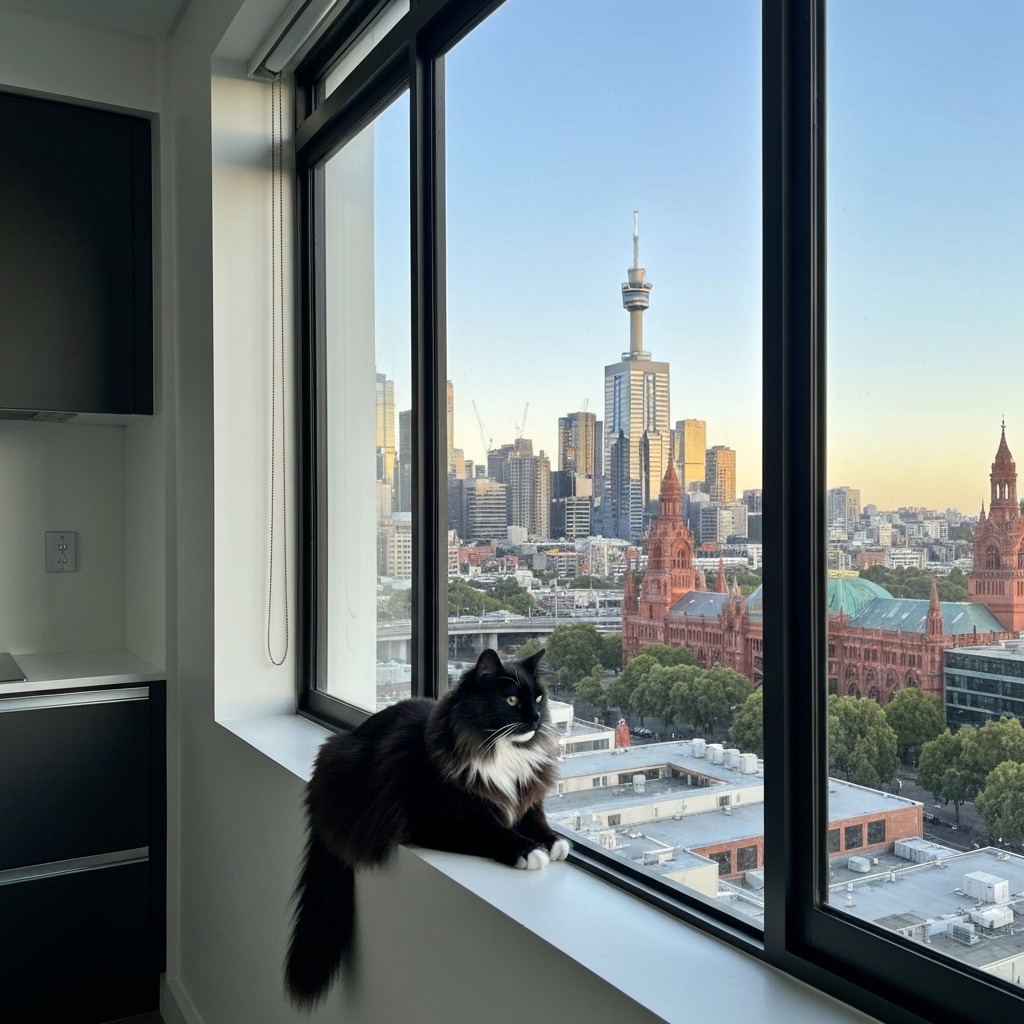
For apartment renters, ground-floor units with courtyard access offer the best chance. Upper-floor apartments in buildings with restrictive owners corporation rules can be more challenging, though the law still requires the landlord to apply to VCAT rather than simply refuse.
Contact Agents Directly
When you find a property you like, call the agent before inspecting. Ask whether the landlord has a history of approving pets. Many agents will be upfront about this, and it saves you the effort of applying for a property where the landlord is likely to contest your pet request at VCAT.
Be Upfront in Your Application
Do not hide the fact that you have a pet. Property managers report that discovering an undisclosed pet after a lease is signed erodes trust and can lead to disputes. Instead, lead with your pet CV and frame your pet as an asset — a well-cared-for pet often signals a responsible tenant.
Look for Properties Near Parks and Trails
Properties listed near dog parks, nature reserves, and walking trails are often in areas where pet ownership is normalised. Landlords in these areas are more accustomed to pet requests and may be more receptive.
Consider Renting Directly from Private Landlords
Private landlords — those who manage their properties without an agent — are sometimes more flexible on pets, particularly if you can meet them in person and bring your pet along. Platforms that connect renters directly with landlords can be a useful resource.
Build Relationships with Pet-Friendly Agencies
Some property management agencies have a reputation for being pet-friendly. Once you identify these agencies, sign up for their alerts and apply promptly when suitable properties are listed. Word of mouth from other pet-owning renters is the best way to identify these agencies.
For more comprehensive search strategies, see our guide on pets and rental properties in Victoria.
Landlord Obligations and Tenant Responsibilities {#landlord-obligations-and-tenant-responsibilities}
The law creates rights for tenants, but it also establishes clear responsibilities. Understanding both sides ensures a smoother tenancy.
What Landlords Must Do
Under the Residential Tenancies Act as amended, landlords must:
- Respond to pet requests within 14 days. Silence equals consent. If a landlord ignores your written request, the pet is deemed approved after 14 days.
- Apply to VCAT if they wish to refuse. A landlord cannot unilaterally reject a pet request. They must seek a VCAT order.
- Not charge a pet bond. No additional bond or deposit can be collected for a pet beyond the standard bond cap.
- Not unreasonably attach conditions. While landlords can set conditions on pet approval, those conditions must be reasonable. Requiring a renter to replace all carpet at the end of a tenancy, for example, may be considered unreasonable unless the carpet was new at the start of the lease and the pet caused damage beyond normal wear and tear.
- Not include "no pets" clauses in new leases. Lease clauses that purport to ban pets outright are inconsistent with the Act and are unenforceable. If your lease contains such a clause, it does not override your right to make a pet request.
What Tenants Must Do
As a pet-owning tenant, you are responsible for:
- Ensuring the pet does not cause damage beyond normal wear and tear. If your pet damages carpet, walls, doors, or garden areas, you may be liable for repair costs at the end of the tenancy.
- Complying with reasonable conditions. If the landlord has approved your pet subject to conditions (such as keeping the pet outdoors during the day), you should comply with those conditions.
- Maintaining the property. Regular cleaning, flea treatment, and yard maintenance are your responsibility. Leaving the property in a state that requires extensive cleaning due to pet odour or hair may result in deductions from your bond.
- Registering the pet with your local council. This is a legal requirement in Victoria for dogs and cats, and failing to register can result in fines.
- Ensuring the pet does not disturb neighbours. Excessive barking, aggressive behaviour, or allowing a pet to roam onto neighbouring properties can lead to complaints and, in serious cases, a breach notice.
What Happens If There Is a Dispute
If a dispute arises during the tenancy — for example, the landlord claims the pet has caused damage, or you believe a condition of approval is unreasonable — either party can apply to VCAT for a determination. It is advisable to document the condition of the property at the start of the tenancy with photographs and a thorough condition report. This evidence is invaluable if a bond dispute arises at the end of the lease.
Tenants Victoria offers free legal advice and assistance to renters who are experiencing disputes with their landlord, including pet-related issues.
Cats, Birds, and Other Non-Dog Pets {#cats-birds-and-other-non-dog-pets}
Most of the public conversation around pets in rentals focuses on dogs, but many Melbourne renters keep cats, birds, fish, rabbits, guinea pigs, and other small animals. The law applies equally to all pets — you have the right to request approval for any animal, and the landlord must follow the same 14-day process.
Cats in Apartments
Cats are often an easier approval than dogs, particularly in apartments. They are quieter, do not require outdoor space, and are less likely to cause damage to common areas. However, landlords may attach conditions such as:
- Keeping the cat indoors at all times (which is also recommended by RSPCA Victoria to protect native wildlife).
- Using scratch-deterrent furniture protectors.
- Professional carpet cleaning at the end of the tenancy.
If you are renting an apartment and want to keep a cat, emphasise in your application that the cat will be kept indoors and that you will take steps to protect the property from scratching damage.
Fish, Birds, and Small Animals
Fish, birds, rabbits, guinea pigs, and similar small animals are rarely refused. Landlords generally have little basis to object to an animal that lives in a tank, cage, or hutch and does not interact with the property's fixtures. That said, the formal process still applies — you should submit a written request, even for a goldfish, to ensure you are complying with the Act.
Exotic and Unusual Pets
If you keep a reptile, amphibian, or other exotic pet, ensure that you hold any required permits under Victorian wildlife legislation. A landlord is more likely to succeed in a VCAT refusal if the animal poses genuine safety or hygiene risks, so it is especially important to demonstrate responsible ownership.
Pet Application Success Rates: What the Data Shows {#pet-application-success-rates}
Since the law changed in 2020, data on pet application outcomes has gradually become available through VCAT records, tenant advocacy organisations, and industry surveys.
Overall Approval Rates
According to data compiled by Tenants Victoria and the Real Estate Institute of Victoria (REIV), the overall pet approval rate in Victorian rentals has risen steadily:
| Year | Estimated Approval Rate | VCAT Applications to Refuse | |------|------------------------|-----------------------------| | 2020 | 68% | High (initial adjustment period) | | 2021 | 73% | Moderate | | 2022 | 78% | Declining | | 2023 | 81% | Low | | 2024 | 83% | Low | | 2025 | 85% | Very low |
These figures reflect a cultural shift as much as a legal one. Landlords and agents have increasingly accepted that pets are a normal part of rental life, and the effort and cost of applying to VCAT to refuse a request acts as a natural deterrent against unnecessary refusals.
Success Rates by Pet Type
Approval rates vary by animal type:
- Dogs (small breeds under 10 kg): Approximately 90% approval rate.
- Dogs (medium breeds 10-25 kg): Approximately 84% approval rate.
- Dogs (large breeds over 25 kg): Approximately 75% approval rate. Large dogs in apartments face the highest refusal rates.
- Cats (indoor): Approximately 92% approval rate.
- Cats (indoor/outdoor): Approximately 86% approval rate.
- Fish, birds, and small caged animals: Approximately 97% approval rate.
Factors That Increase Your Chances
Analysis of successful pet applications reveals several common factors:
- Submitting a pet CV increases approval likelihood by an estimated 15 to 20 percentage points compared to a bare request.
- Including a reference from a previous landlord is the single most impactful supporting document.
- Applying for properties with outdoor space reduces refusal rates significantly.
- Providing evidence of desexing and up-to-date vaccinations addresses two of the most common landlord concerns.
- Offering to include a professional cleaning clause in the lease gives landlords confidence that the property will be returned in good condition.
Frequently Asked Questions {#frequently-asked-questions}
Can a landlord refuse pets in Victoria?
Under Victorian law since 2020, landlords can only refuse a pet request by applying to VCAT within 14 days. They must demonstrate a valid reason such as the property being unsuitable. Simply preferring no pets is not sufficient grounds for refusal. If the landlord does not respond within 14 days, the request is automatically approved.
What is a pet CV for a rental application?
A pet CV is a one-page document that introduces your pet to a landlord. It typically includes the pet's name, breed, age, temperament, vaccination records, any training certificates, a reference from a previous landlord or vet, and a photo. It is not legally required but is strongly recommended by tenant advocacy groups and RSPCA Victoria.
Which Melbourne suburbs are most pet-friendly for renters?
Suburbs with higher pet-approval rates include Yarraville, Seddon, Newport, and Williamstown in the west, and Northcote, Preston, and Reservoir in the north. These areas have more houses with yards and established off-leash dog parks. In the inner city, Richmond, Brunswick, and Coburg are also strong options.
Can a landlord charge a pet bond in Victoria?
No. In Victoria, landlords cannot charge a separate pet bond or additional deposit for pets. The maximum bond remains capped at one month's rent regardless of whether a pet is approved. If a landlord or agent requests a pet bond, they are acting outside the law, and you should seek advice from Consumer Affairs Victoria.
What if my lease says "no pets"?
A "no pets" clause in a Victorian lease does not override your statutory right to request a pet. The clause is unenforceable to the extent that it conflicts with the Residential Tenancies Act. You can still submit a written pet request, and the landlord must follow the standard 14-day process.
Can I get a pet after I have already signed the lease?
Yes. You can submit a pet request at any point during your tenancy, not only at the start. The same 14-day process applies. Many renters adopt pets during a tenancy, and the law accommodates this.
What if the landlord verbally agrees but does not put it in writing?
Always get approval in writing. A verbal agreement may be difficult to enforce if a dispute arises later. If the landlord agrees verbally, follow up with an email confirming the conversation and ask them to reply confirming their consent.
Do I need to tell my landlord about a visiting pet?
The law applies to pets that are kept at the property. A friend's dog visiting for an afternoon is unlikely to require formal approval, but if a pet is staying regularly or for extended periods, it is prudent to notify your landlord to avoid disputes.
Sources and Further Reading {#sources-and-further-reading}
The following sources informed this guide and are recommended for further reading:
-
Consumer Affairs Victoria — Renting with pets: official guidance on the Residential Tenancies Act provisions relating to pets, including the formal request process and VCAT applications. Available at consumer.vic.gov.au.
-
RSPCA Victoria — Renting with pets: resources on responsible pet ownership in rental properties, including advice on pet CVs and preparing your pet for a rental inspection. Available at rspcavic.org.
-
City of Melbourne — Pet registration and off-leash parks: information on council pet registration requirements and a directory of off-leash dog parks across metropolitan Melbourne. Available at melbourne.vic.gov.au.
-
Real Estate Institute of Victoria (REIV) — Industry data on pet approval rates and best practice guidance for property managers handling pet requests. Available at reiv.com.au.
-
Tenants Victoria — Free legal advice and advocacy for Victorian renters, including assistance with pet-related disputes and VCAT representation. Available at tenantsvic.org.au.
-
Victorian Civil and Administrative Tribunal (VCAT) — Case decisions and procedural guidance for pet approval disputes under the Residential Tenancies Act. Available at vcat.vic.gov.au.
Renting with a pet in Melbourne in 2026 is more achievable than ever before. The law is on your side, approval rates are high, and the practical tools available — from pet CVs to pet-friendly search filters — make the process manageable. Choose your suburb wisely, prepare a thorough application, know your rights, and you and your pet will be settling into your new home in no time.
For more guidance, explore our related articles on how to find pet-friendly apartments in Melbourne, pets and rental properties in Victoria, and renter rights in Victoria.
Keep your shortlist moving
Get suburb-specific rental updates once you have narrowed your target areas.
FAQ
Get RentBuzz's weekly market update
Suburb medians, sample listings, and strategy notes for Victorian renters.
About the author
RentBuzz Editorial Team writes practical Victoria-first rental guides focused on suburb pricing, application readiness, and renter decision-making.
Want more Victorian rental advice?
Join our footer list for new guides, calculators, and suburb pricing movement.