Best Suburbs for Young Professionals in Melbourne 2026
Get suburb rental alerts before your next inspection
Join the list for new rental alerts, suburb medians, and practical renter updates.
Join 2,400+ Victorian renters. Unsubscribe anytime.
title: "Best Suburbs for Young Professionals in Melbourne 2026" slug: "best-suburbs-young-professionals-melbourne-2026" description: "Best Melbourne suburbs for young professionals in 2026. Median rents, nightlife, dining, commute times, and lifestyle picks for 22-35 year olds." author: "Maya Chen" authorTitle: "Content Writer, RentBuzz" datePublished: "2026-04-01" dateModified: "2026-04-01" primaryKeyword: "best suburbs young professionals melbourne 2026" image: "/images/articles/young-professionals-melbourne-2026-hero.jpg" ogImage: "/images/articles/young-professionals-melbourne-2026-hero.jpg" ogTitle: "Best Suburbs for Young Professionals in Melbourne 2026" ogDescription: "Top Melbourne suburbs for young professionals balancing rent, nightlife, dining, and commute in 2026." ogType: "article" ogUrl: "/guides/best-suburbs-young-professionals-melbourne-2026" ogSiteName: "RentBuzz" twitterCard: "summary_large_image" twitterTitle: "Best Suburbs for Young Professionals in Melbourne 2026" twitterDescription: "Top Melbourne suburbs for young professionals balancing rent, nightlife, dining, and commute in 2026." twitterImage: "/images/articles/young-professionals-melbourne-2026-hero.jpg" twitterSite: "@rentbuzz" schema: article: "@context": "https://schema.org" "@type": "Article" headline: "Best Suburbs for Young Professionals in Melbourne 2026" datePublished: "2026-04-01" dateModified: "2026-04-01" author: "@type": "Person" name: "Maya Chen" publisher: "@type": "Organization" name: "RentBuzz" logo: "@type": "ImageObject" url: "/images/rentbuzz-logo.png" image: - "/images/articles/young-professionals-melbourne-2026-hero.jpg" description: "Best Melbourne suburbs for young professionals in 2026 with median rents, lifestyle details, and alternatives." faq: "@context": "https://schema.org" "@type": "FAQPage" mainEntity: - "@type": "Question" name: "What is the best suburb in Melbourne for young professionals?" acceptedAnswer: "@type": "Answer" text: "Fitzroy and Collingwood consistently rank as top picks for young professionals in Melbourne, offering walkable streets, excellent dining, nightlife, and direct tram access to the CBD. Median rent for a one-bedroom apartment sits around $420–$480 per week." - "@type": "Question" name: "What suburbs are affordable for young professionals in Melbourne?" acceptedAnswer: "@type": "Answer" text: "Footscray, Sunshine, and Preston offer more affordable rents while still providing good transport links, dining options, and a vibrant community feel. One-bedroom units in these suburbs range from $320–$400 per week." - "@type": "Question" name: "Is it better to rent in the CBD or inner suburbs in Melbourne?" acceptedAnswer: "@type": "Answer" text: "Inner suburbs like Fitzroy, Richmond, and Brunswick typically offer better value and lifestyle than the CBD itself. CBD apartments can feel impersonal, while inner suburbs have stronger community character, better dining, and comparable commute times."
Best Suburbs for Young Professionals in Melbourne 2026
Melbourne remains one of Australia's most attractive cities for young professionals, but choosing the right suburb can make or break your experience. This guide ranks the best Melbourne suburbs for 22-35 year olds in 2026, covering median rents, commute times, nightlife, dining, and overall lifestyle so you can find a neighbourhood that fits your budget and personality.
By Maya Chen, Content Writer at RentBuzz | Last updated April 2026
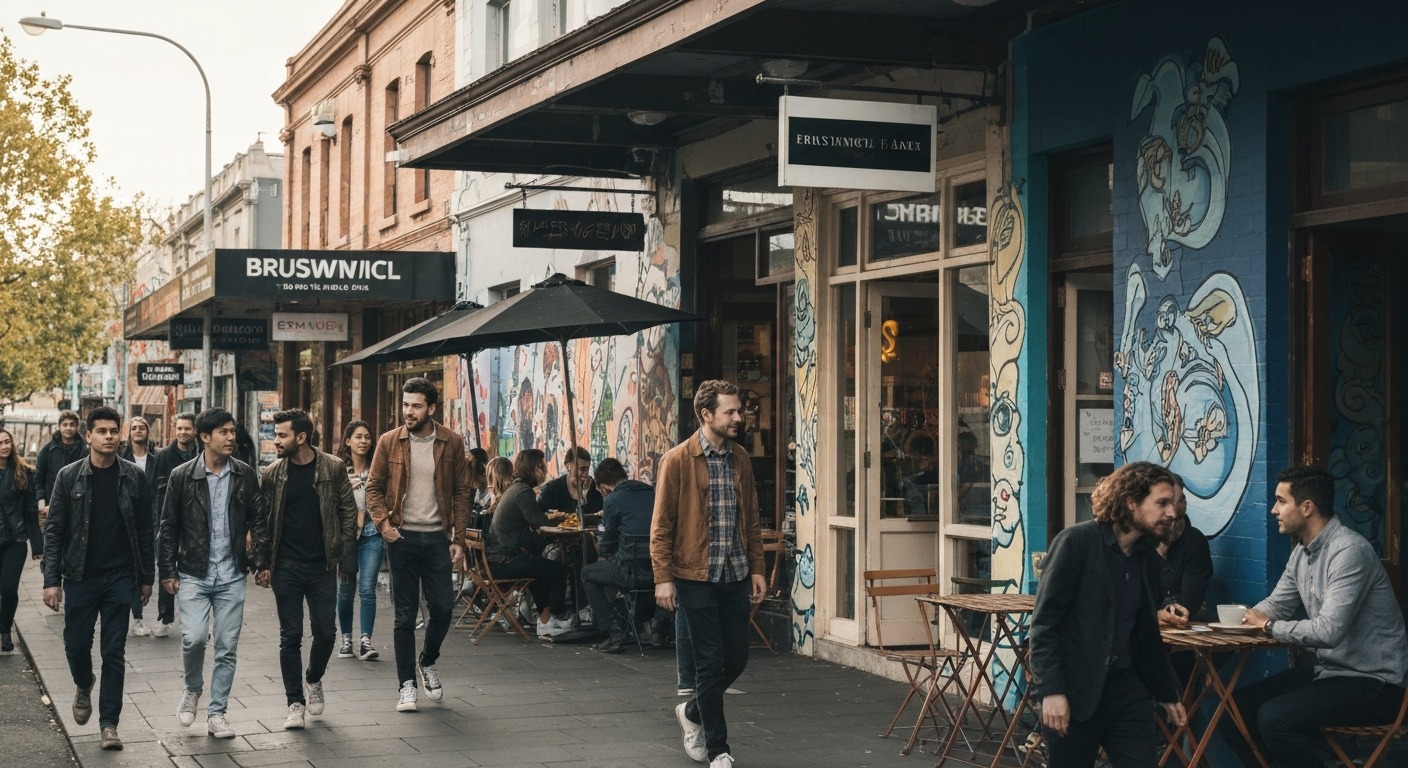
Table of Contents
- Why Suburb Choice Matters for Young Professionals
- How We Ranked These Suburbs
- Melbourne Suburb Comparison Table
- Inner-City Picks: Where the Action Is
- Inner-North Favourites: Culture and Community
- Inner-West and West: Value Without Compromise
- Inner-East and South-East: Polished and Connected
- Emerging Suburbs to Watch
- CBD vs Inner Suburbs: Which Is Better?
- How to Choose the Right Suburb for You
- Frequently Asked Questions
- Sources
Why Suburb Choice Matters for Young Professionals
Melbourne is a city defined by its suburbs. Unlike cities that revolve entirely around a single central district, Melbourne's identity is spread across dozens of distinct neighbourhoods, each with its own dining scene, nightlife character, and commute profile. For young professionals earning between $55,000 and $95,000 per year, the suburb you choose determines how much of your income goes to rent, how long you spend commuting, and whether your weekends are spent at rooftop bars, farmers' markets, or both.
According to the Real Estate Institute of Victoria (REIV), median rents across metropolitan Melbourne rose approximately 4.2% over the 12 months to March 2026. That pressure is felt most acutely in the inner ring, where one-bedroom apartments now commonly exceed $400 per week. But median figures only tell part of the story. Two suburbs with identical median rents can deliver wildly different lifestyles depending on walkability, public transport frequency, and access to dining and entertainment.
This guide is designed to help you narrow down the suburbs that match your priorities. Whether you value a short tram ride to work, a thriving bar scene, or simply want to keep rent below $380 per week, you will find actionable data and honest assessments below.
For a broader look at Melbourne rental pricing, see our guide to average rents across Melbourne in 2026.
How We Ranked These Suburbs
We evaluated each suburb across five lifestyle dimensions relevant to young professionals aged 22 to 35:
Rent Affordability
Median weekly rent for a one-bedroom apartment, sourced from Domain.com.au and SQM Research vacancy and rental data for Q1 2026. We also note typical two-bedroom share house costs where relevant.
Commute Time
Average door-to-door travel time to Melbourne CBD (Flinders Street Station or Southern Cross Station) during weekday peak hours, using Public Transport Victoria timetable data and Google Maps estimates.
Nightlife and Entertainment
Density of bars, pubs, live music venues, and late-night dining options within walking distance. We referenced Time Out Melbourne and Broadsheet Melbourne venue listings.
Dining and Coffee Culture
Variety and quality of cafes, restaurants, and food venues. Melbourne's cafe culture is a major lifestyle factor, and some suburbs punch well above their weight.
Walkability and Lifestyle
How easy it is to live car-free, including proximity to supermarkets, gyms, parks, and public transport stops. We also considered bike infrastructure and the general "feel" of the suburb for someone in their twenties or early thirties.
Each suburb receives a rating out of 5 in these categories. Ratings are editorial assessments based on the data sources listed at the end of this article, combined with on-the-ground knowledge.
Melbourne Suburb Comparison Table
The following table summarises the 14 suburbs covered in this guide. Median rents are for one-bedroom apartments as of Q1 2026.
| Suburb | Median 1BR Rent (pw) | CBD Commute | Nightlife | Dining | Walkability | Best For | |---|---|---|---|---|---|---| | Fitzroy | $470 | 15 min (tram) | 5/5 | 5/5 | 5/5 | Culture, bars, walkability | | Collingwood | $450 | 15 min (tram) | 5/5 | 4/5 | 5/5 | Live music, creative scene | | Brunswick | $420 | 20 min (tram) | 4/5 | 5/5 | 4/5 | Cafes, markets, community | | Richmond | $440 | 10 min (train) | 4/5 | 4/5 | 4/5 | Sports fans, Bridge Rd dining | | South Yarra | $490 | 8 min (train) | 4/5 | 5/5 | 4/5 | Upscale dining, Chapel St | | Northcote | $410 | 22 min (tram/train) | 4/5 | 4/5 | 4/5 | Live music, village feel | | Preston | $370 | 25 min (train) | 3/5 | 4/5 | 3/5 | Affordable inner-north | | Footscray | $360 | 12 min (train) | 3/5 | 4/5 | 3/5 | Food diversity, fast commute | | Seddon | $390 | 15 min (train) | 2/5 | 3/5 | 4/5 | Village feel, quiet lifestyle | | Yarraville | $400 | 15 min (train) | 3/5 | 4/5 | 4/5 | Families, weekend brunch | | Abbotsford | $430 | 12 min (train) | 3/5 | 4/5 | 4/5 | Breweries, Yarra Trail | | Prahran | $460 | 10 min (tram/train) | 4/5 | 4/5 | 4/5 | Greville St, LGBTQ+ scene | | Sunshine | $330 | 18 min (train) | 2/5 | 3/5 | 3/5 | Budget-friendly, improving | | Thornbury | $395 | 25 min (tram/train) | 3/5 | 4/5 | 3/5 | Emerging dining, craft beer |
Inner-City Picks: Where the Action Is
If your priority is being in the thick of Melbourne's social and cultural scene, the inner-city suburbs deliver the highest concentration of bars, restaurants, and entertainment per square kilometre. The trade-off is higher rent, but many young professionals find the lifestyle savings (less transport cost, less travel time) offset the premium.
Fitzroy
Fitzroy is arguably Melbourne's most iconic suburb for young professionals, and it continues to earn that reputation in 2026. Brunswick Street and Gertrude Street form two distinct corridors of dining, drinking, and shopping. You can walk from a Vietnamese pho spot to a natural wine bar to a vintage clothing store without crossing a major road.
Median rent (1BR): $470 per week Commute: 15 minutes by tram (Route 11 or 86) to the CBD Nightlife: Rooftop bars, cocktail lounges, live music at The Evelyn and Bar Open Dining: From Cutler & Co. fine dining to Gelato Messina and everything between Walkability: Almost everything you need within a 10-minute walk
Fitzroy scores highest across our lifestyle categories, but it is not cheap. A one-bedroom apartment averages $470 per week, and well-located two-bedroom apartments can exceed $650. If you are sharing, expect to pay $280 to $340 per week for a room in a two-bedroom house or apartment.
If you like Fitzroy, try: Collingwood (slightly cheaper, same tram lines) or Abbotsford (quieter but close to the Yarra River trail).
Collingwood
Collingwood sits immediately east of Fitzroy and shares many of the same tram routes. Smith Street, which runs along the boundary of the two suburbs, is lined with bars, Thai restaurants, and independent retailers. Collingwood tends to attract a slightly more creative and industrial crowd, with converted warehouse apartments and studio spaces scattered through its back streets.
Median rent (1BR): $450 per week Commute: 15 minutes by tram to the CBD Nightlife: The Tote, Gasometer Hotel, numerous small bars Dining: Smith Street offers some of the best casual dining in Melbourne Walkability: Excellent, with easy access to both Fitzroy and Richmond on foot
Collingwood is where Melbourne's live music scene feels most alive. If seeing bands on weeknights matters to you, this is your suburb.
If you like Collingwood, try: Fitzroy (more polished) or Richmond (better train access).
Richmond
Richmond is one of Melbourne's most versatile inner suburbs. It straddles the line between gritty and gentrified, with Victoria Street offering outstanding Vietnamese cuisine, Bridge Road providing a more mainstream retail and dining strip, and Swan Street delivering a concentrated bar and restaurant precinct that has grown significantly in recent years.
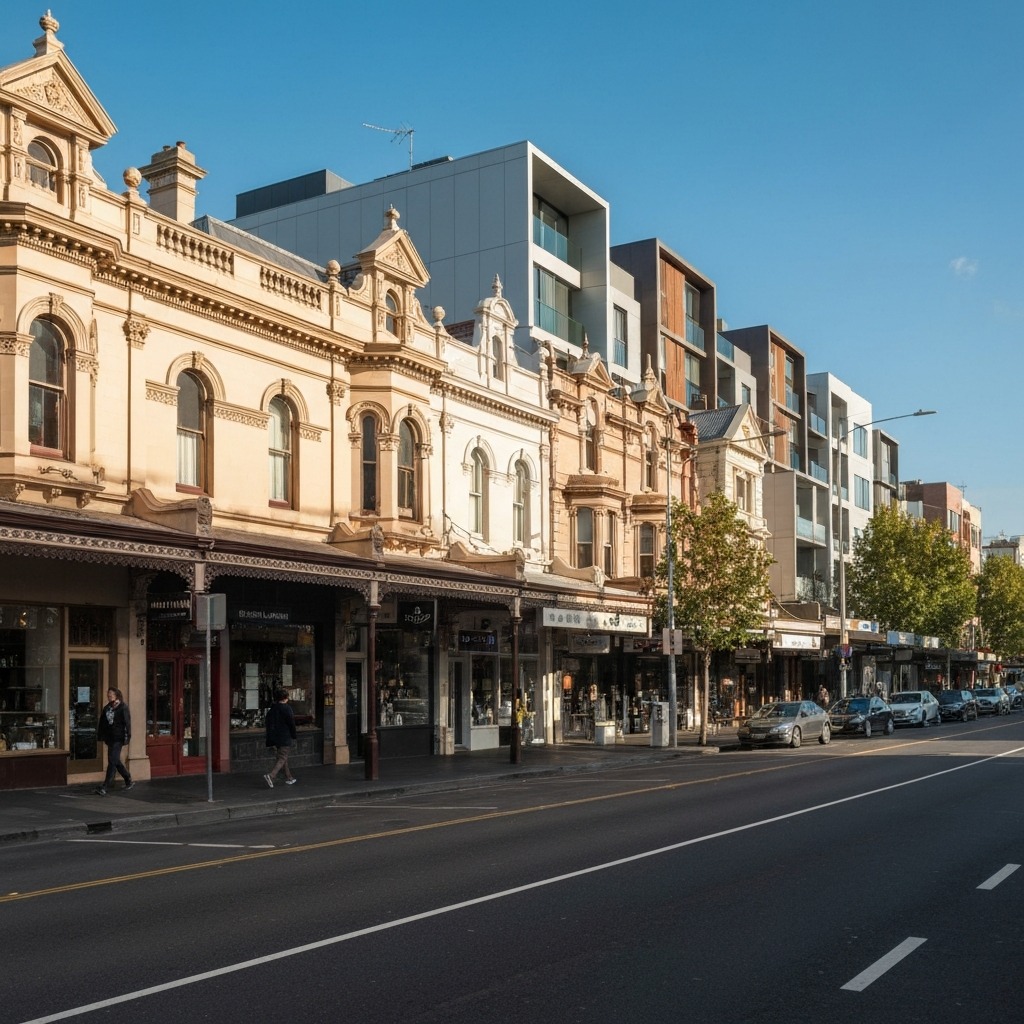
Median rent (1BR): $440 per week Commute: 10 minutes by train (multiple lines) to Flinders Street Nightlife: Swan Street bars, rooftop venues, sports pubs near the MCG Dining: Victoria Street (Vietnamese), Bridge Road (mixed), Swan Street (modern Australian) Walkability: Strong, though some pockets are more car-dependent
Richmond's major advantage is its train connectivity. Five train stations serve the suburb, making it one of the best-connected inner suburbs in Melbourne. If you work in the CBD or Southbank, your commute will be under 15 minutes door to door.
For a deeper dive, see our suburb guide to Richmond rentals.
If you like Richmond, try: Cremorne (tech precinct, walkable to Richmond) or Abbotsford (quieter, Yarra access).
South Yarra
South Yarra is Melbourne's most upscale inner suburb and commands the highest rents on this list. Chapel Street is the main draw, running from Prahran through South Yarra with a dense mix of fashion boutiques, cocktail bars, brunch spots, and late-night venues. The Toorak Road end skews older and wealthier, while the Prahran end is more accessible and youthful.
Median rent (1BR): $490 per week Commute: 8 minutes by train to Flinders Street Dining: High-end brunch cafes, Japanese omakase, wine bars Nightlife: Revolver Upstairs, Chapel Street bars, Greville Street Walkability: Strong along Chapel Street; quieter residential streets further east
South Yarra suits young professionals who prefer a polished aesthetic and are willing to pay for proximity to both the CBD and the Royal Botanic Gardens. It is not the cheapest option, but it offers a particular type of Melbourne lifestyle that no other suburb replicates.
To understand why rents here are higher, read our analysis of what makes South Yarra rents higher than average.
If you like South Yarra, try: Prahran (slightly cheaper, same strip) or Windsor (more relaxed, still on Chapel St).
Inner-North Favourites: Culture and Community
Melbourne's inner north is where much of the city's cultural identity lives. These suburbs tend to have a progressive, community-oriented vibe with strong cafe cultures, weekend markets, and a mix of creative professionals and students.
Brunswick
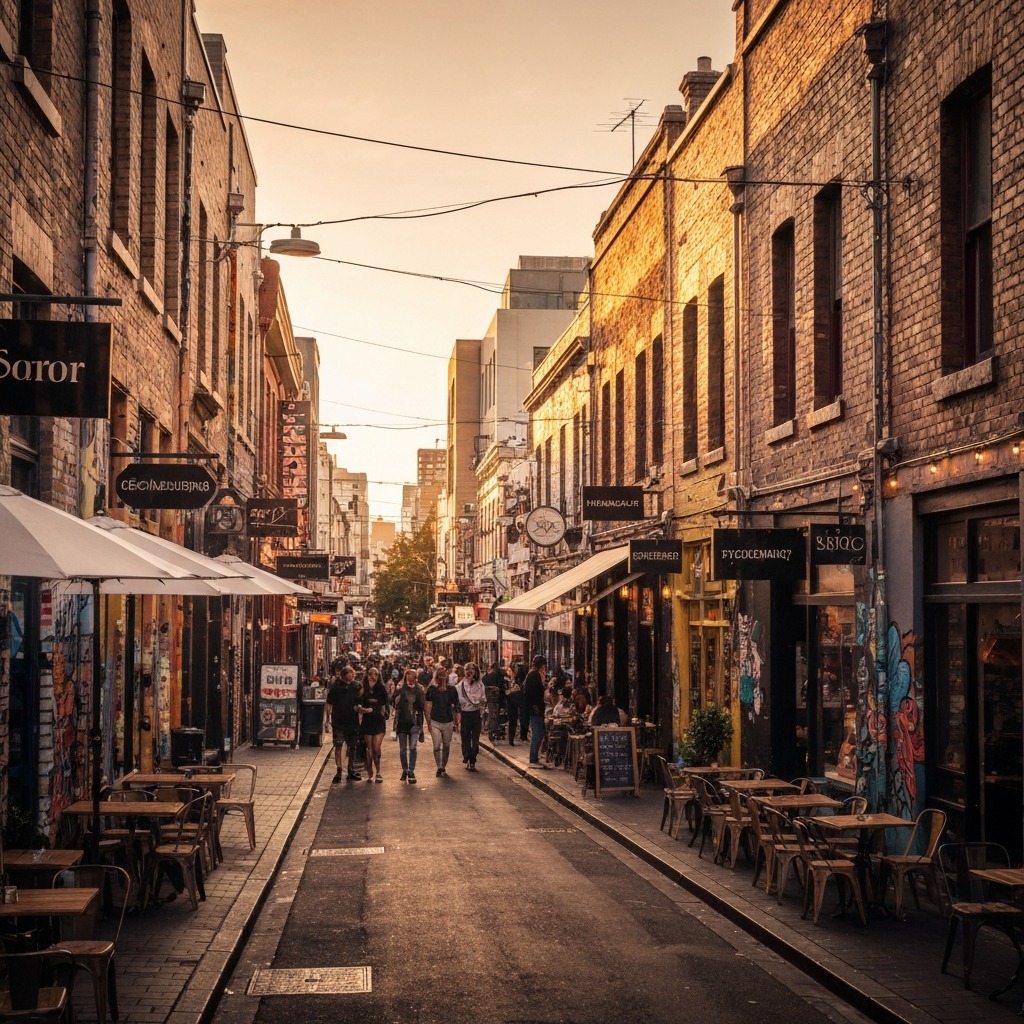
Brunswick is Melbourne's quintessential inner-north suburb. Sydney Road stretches for kilometres with Middle Eastern bakeries, vintage shops, live music pubs, and some of the best cheap eats in Melbourne. The suburb has a distinctly multicultural character that sets it apart from the more homogeneous parts of the inner city.
Median rent (1BR): $420 per week Commute: 20 minutes by tram (Route 19) or 15 minutes by train from Jewell or Anstey stations Nightlife: The Brunswick Ballroom, Retreat Hotel, small bars on Lygon Street Dining: Sydney Road cafes, Lygon Street restaurants, numerous bakeries Walkability: Very good along the main strips; residential streets are quieter but still well-serviced
Brunswick offers a rare combination of affordability (by inner-suburb standards), culture, and accessibility. It is a suburb where you can eat a $12 shawarma plate for lunch and attend a gallery opening in the evening without travelling more than a few blocks.
For more on why renters gravitate here, see our guide on what makes Brunswick popular with renters.
If you like Brunswick, try: Brunswick East (quieter, close to Edinburgh Gardens) or Coburg (cheaper, same train line).
Northcote
Northcote sits on the 86 tram line and the Mernda train line, giving it strong transport links to the CBD. High Street is the main strip, featuring a cluster of respected restaurants, wine bars, and the Northcote Social Club, one of Melbourne's best live music venues.
Median rent (1BR): $410 per week Commute: 22 minutes by tram or 18 minutes by train from Northcote station Nightlife: Northcote Social Club, Wesley Anne, local pubs Dining: High Street restaurants, All Nations Park area cafes Walkability: Good, especially around the High Street precinct
Northcote has a village feel that appeals to young professionals who want culture without the intensity of Fitzroy or Collingwood. It is slightly quieter, slightly cheaper, and has easy access to the Merri Creek trail for running and cycling.
If you like Northcote, try: Thornbury (next stop north, emerging scene) or Fairfield (even quieter, beautiful park access).
Preston
Preston has undergone significant transformation over the past five years and now represents one of the best value propositions in Melbourne's inner north. The suburb sits on the South Morang train line, with Preston station offering a direct 25-minute ride to the CBD. High Street Preston has developed a genuine dining scene, with new cafes and restaurants opening regularly alongside long-established multicultural food stores.
Median rent (1BR): $370 per week Commute: 25 minutes by train to the CBD Nightlife: Growing bar scene on High Street, though still limited compared to suburbs further south Dining: Excellent multicultural food, emerging brunch cafe culture Walkability: Moderate; best around High Street and the Preston Market area
At $370 per week for a one-bedroom apartment, Preston offers genuine savings compared to Fitzroy or Collingwood, saving you roughly $80 to $100 per week that can go toward savings, travel, or dining out.
If you like Preston, try: Reservoir (even cheaper, same train line) or Coburg (western inner-north alternative).
Thornbury
Thornbury occupies the sweet spot between Northcote's established scene and Preston's affordability. High Street Thornbury has quietly become one of Melbourne's best dining strips, with natural wine bars, specialty coffee roasters, and a craft beer culture anchored by venues like Carwyn Cellars.
Median rent (1BR): $395 per week Commute: 25 minutes by tram (Route 11) or train Nightlife: Intimate bars, craft beer venues, occasional live music Dining: Punches above its weight with a concentration of quality restaurants Walkability: Moderate to good along the High Street corridor
Thornbury suits young professionals who care about food and drink quality but do not need to be in the middle of a busy nightlife strip every weekend. It is a suburb for those who prefer a Sunday afternoon wine at a small bar over a Saturday night in a packed club.
If you like Thornbury, try: Northcote (more established, slightly pricier) or Preston (cheaper, more multicultural).
Inner-West and West: Value Without Compromise
Melbourne's western suburbs have been the biggest story in the city's rental market over the past three years. Improved transport links, a wave of new dining venues, and significantly lower rents have drawn young professionals who previously would not have looked west of the Maribyrnong River.
Footscray
Footscray is the standout of Melbourne's west. Just 12 minutes by train from Southern Cross Station, it offers one of the fastest commutes of any suburb on this list while maintaining rents well below inner-city levels. The dining scene is anchored by outstanding Vietnamese, Ethiopian, and Indian restaurants, many of which have been operating for decades.
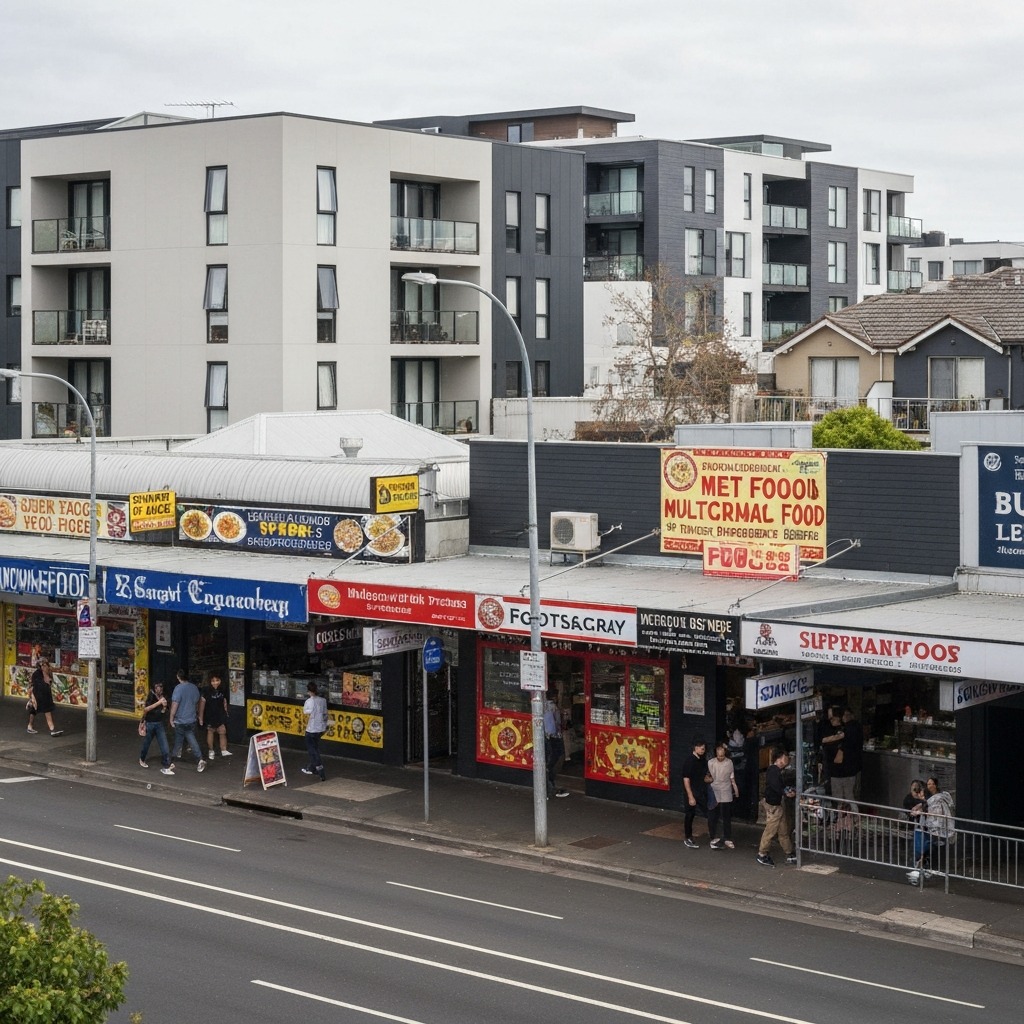
Median rent (1BR): $360 per week Commute: 12 minutes by train to Southern Cross Station Nightlife: Growing, with venues like Mr West and the Footscray Community Arts Centre hosting events Dining: Some of the best and most affordable multicultural food in Melbourne Walkability: Good around the station and market precinct; more spread out in residential areas
Footscray's combination of a fast commute, affordable rent, and genuine food culture makes it one of the most compelling options for young professionals in 2026. The suburb still has rough edges, which is part of its appeal for those who want something less curated than the inner north.
If you like Footscray, try: Seddon (quieter village, same train line) or Yarraville (more established, slightly pricier).
Seddon
Seddon is a small, village-like suburb one train stop west of Footscray. Charles Street forms a compact but charming strip of cafes, a grocer, a wine bar, and a handful of restaurants. It is the kind of suburb where you know your barista by name within a month.
Median rent (1BR): $390 per week Commute: 15 minutes by train to Southern Cross Station Nightlife: Limited to a couple of wine bars and pubs Dining: Small but high-quality cluster on Charles Street Walkability: Very good for daily needs; compact enough to walk everywhere within the suburb
Seddon is ideal for young professionals who want a quiet home base with the option to walk or take a short train ride to Footscray or the CBD for entertainment. It offers a slower pace without the isolation of outer suburbs.
If you like Seddon, try: Yarraville (larger village, same vibe) or West Footscray (cheaper, less polished).
Yarraville
Yarraville has established itself as the most popular village suburb in Melbourne's west. Anderson Street is a well-curated strip of brunch cafes, boutique shops, and the iconic Sun Theatre. The suburb attracts a mix of young professionals and young families, creating a community feel that can be harder to find in more transient inner-city suburbs.
Median rent (1BR): $400 per week Commute: 15 minutes by train to Southern Cross Station Nightlife: Sun Theatre, a few pubs and wine bars Dining: Strong brunch and cafe culture, improving dinner options Walkability: Excellent village centre; residential streets are quiet and tree-lined
If you like Yarraville, try: Seddon (smaller, slightly cheaper) or Spotswood (emerging, close to the bay).
Sunshine
Sunshine is the budget pick on this list, and it deserves more attention than it typically receives. The suburb sits on the Sunbury and Bendigo train lines, offering frequent express services that reach Southern Cross Station in as little as 18 minutes. The Hampshire Road precinct has seen new cafe and restaurant openings, and a major town centre redevelopment is underway.
Median rent (1BR): $330 per week Commute: 18 minutes by train (express services available) Nightlife: Limited; most residents head to Footscray or the CBD Dining: Multicultural food options, growing cafe scene Walkability: Improving around the station precinct; car-dependent in outer areas
At $330 per week for a one-bedroom apartment, Sunshine is the most affordable suburb on this list. For a young professional earning $60,000 to $70,000 per year, the rent savings compared to Fitzroy or South Yarra amount to roughly $7,000 to $8,300 per year. That is a meaningful difference for building savings or paying down HECS debt.
If you like Sunshine, try: St Albans (even cheaper, diverse food scene) or Footscray (better nightlife, slightly more expensive).
Inner-East and South-East: Polished and Connected
The inner east and south-east suburbs tend to attract young professionals who prefer a more polished environment, proximity to the Yarra River and parks, and easy access to the commercial precincts along the south-eastern train corridor.
Prahran
Prahran sits at the southern end of Chapel Street and has a distinct identity from neighbouring South Yarra. Greville Street is the heart of the suburb, with independent record stores, vintage clothing shops, and intimate bars. Prahran also has one of Melbourne's most vibrant LGBTQ+ communities, centred around Commercial Road.
Median rent (1BR): $460 per week Commute: 10 minutes by tram or train to the CBD Nightlife: Greville Street bars, Commercial Road venues, Revolver (technically South Yarra, but walkable) Dining: Prahran Market, Greville Street cafes, Chapel Street restaurants Walkability: Very good; compact suburb with everything accessible on foot
If you like Prahran, try: Windsor (one tram stop south, slightly cheaper) or South Yarra (upscale, same precinct).
Abbotsford
Abbotsford is Richmond's quieter neighbour, sitting along the Yarra River with access to the Capital City Trail and the Abbotsford Convent precinct. The suburb has become a hub for craft breweries, with Moon Dog World and other venues drawing crowds on weekends.
Median rent (1BR): $430 per week Commute: 12 minutes by train from Collingwood or Victoria Park stations Nightlife: Brewery taprooms, Abbotsford Convent events Dining: Growing restaurant scene, excellent brewpub food Walkability: Good, especially along the river and near Victoria Street
Abbotsford is a strong choice for young professionals who want proximity to Richmond and Collingwood without living on a busy main road. The river trail access is a genuine lifestyle bonus for runners and cyclists.
If you like Abbotsford, try: Collingwood (more nightlife) or Kew East (quieter, Yarra access).
Emerging Suburbs to Watch
Beyond the established favourites, several Melbourne suburbs are in the early stages of transformation. These are suburbs where rents are still relatively low but where new transport projects, hospitality openings, or cultural developments are beginning to shift the character.
Suburbs on the Rise in 2026
Reservoir (inner north): One stop beyond Preston on the train line, Reservoir is attracting the wave of young renters being priced out of suburbs further south. Median one-bedroom rent sits around $340 per week, and a small but growing strip of cafes and bars is developing along Broadway.
West Footscray: Adjacent to Footscray but with rents roughly $30 to $40 per week lower, West Footscray benefits from the same train connections and is developing its own identity with warehouse conversions and small-batch coffee roasters.
Spotswood: Sitting between Yarraville and the bay, Spotswood offers a surprisingly quick commute (14 minutes by train to Southern Cross) and has attracted several new hospitality venues. The Scienceworks museum precinct brings foot traffic, and the suburb's small-town character is appealing to professionals tired of busier inner suburbs.
If you are considering areas further out or want to plan a move strategically, our guide on how to shortlist suburbs by lifestyle and price walks through a systematic approach.
CBD vs Inner Suburbs: Which Is Better?
This is one of the most common questions we hear from young professionals moving to Melbourne. The CBD itself has thousands of rental apartments, many in high-rise towers built over the past decade. Rents for a one-bedroom CBD apartment sit around $430 to $480 per week in Q1 2026, comparable to inner suburbs like Fitzroy and Richmond.
The Case for the CBD
- Zero commute if you work in the CBD
- Access to Melbourne Central, QV, and Emporium shopping
- Proximity to Southbank arts precinct and Crown entertainment complex
- High density of gyms and co-working spaces
The Case Against the CBD
- Apartments tend to be smaller and more cookie-cutter than inner-suburb equivalents
- Less community character; high tenant turnover in many buildings
- Street-level dining and nightlife is less distinctive than suburbs like Fitzroy or Brunswick
- Noise from late-night venues and construction can be an issue in some buildings
- Limited green space compared to suburbs with park access
For most young professionals, the inner suburbs offer better lifestyle value than the CBD itself. You trade a short tram or train commute (typically 8 to 20 minutes) for a more distinctive neighbourhood, better dining options, and a stronger sense of community. However, if your office is in the CBD and you value the convenience of walking to work above all else, a well-chosen CBD apartment can work well.
We cover this topic in more detail in our guide on the pros and cons of renting in Melbourne CBD.
How to Choose the Right Suburb for You
With 14 suburbs to consider, it helps to filter based on your personal priorities. Here are the decision frameworks we recommend.
If Your Top Priority Is Saving Money
Look at Preston ($370/week), Footscray ($360/week), or Sunshine ($330/week). All three offer decent commute times and are improving rapidly. The rent savings compared to inner-city suburbs add up to $4,000 to $7,000 per year, which is meaningful for building an emergency fund or paying down debt.
If Your Top Priority Is Nightlife and Social Life
Fitzroy, Collingwood, and Richmond (specifically Swan Street) are your best options. These suburbs have the highest density of bars, live music venues, and late-night dining. You will pay a premium, but you will also spend less on taxis and rideshares because everything is walkable.
If Your Top Priority Is Food and Coffee
Brunswick (Sydney Road), Fitzroy (Gertrude Street and Brunswick Street), and Footscray (multicultural dining) offer the most diverse and high-quality food scenes. Thornbury is a sleeper pick for natural wine and emerging restaurants.
If Your Top Priority Is a Quick Commute
Richmond (10 min by train), South Yarra (8 min by train), and Footscray (12 min by train) offer the fastest door-to-door commutes. All three sit on major train lines with frequent services.
If Your Top Priority Is a Quiet, Community Feel
Seddon, Yarraville, and Northcote offer village-like atmospheres with enough amenities to avoid needing to leave the suburb on weekends. These suburbs suit professionals who work hard during the week and want a relaxed, walkable neighbourhood to unwind in.
Planning Your Move
If you are moving to Melbourne from interstate or overseas, the logistics of finding a rental can be overwhelming. Our moving to Melbourne rental guide covers everything from setting up rental inspections to understanding lease terms and tenant rights in Victoria.
For a structured approach to narrowing your options, our guide on how to shortlist suburbs by lifestyle and price provides a step-by-step framework.
Frequently Asked Questions
What is the best suburb in Melbourne for young professionals?
Fitzroy and Collingwood consistently rank as top picks for young professionals in Melbourne, offering walkable streets, excellent dining, nightlife, and direct tram access to the CBD. Median rent for a one-bedroom apartment sits around $420 to $480 per week. However, the "best" suburb depends entirely on your priorities. If you value food diversity over nightlife, Brunswick or Footscray may suit you better. If commute time is paramount, Richmond or South Yarra will get you to work fastest.
What suburbs are affordable for young professionals in Melbourne?
Footscray ($360/week), Preston ($370/week), and Sunshine ($330/week) offer the most affordable rents among suburbs that still provide good transport links, dining options, and a vibrant community feel. Sharing a two-bedroom apartment in any of these suburbs can bring your weekly rent down to $200 to $260 per person, making them accessible even on a graduate salary.
Is it better to rent in the CBD or inner suburbs in Melbourne?
For most young professionals, inner suburbs like Fitzroy, Richmond, and Brunswick offer better value and lifestyle than the CBD. CBD apartments tend to be smaller and less distinctive, while inner suburbs provide stronger community character, better dining, and comparable commute times of 8 to 20 minutes. The CBD works best if your office is there and you prioritise a zero-commute lifestyle.
How much should a young professional spend on rent in Melbourne?
The general guideline is to keep housing costs below 30% of your gross income. For a young professional earning $65,000 per year (roughly $1,250 per week before tax), that means targeting weekly rent of $375 or less. Share housing can bring this figure down significantly, allowing you to live in more expensive suburbs while staying within budget.
What are the safest suburbs for young professionals in Melbourne?
Inner suburbs like South Yarra, Richmond, Prahran, Seddon, and Yarraville consistently report lower crime rates relative to their population density. The Victoria Police crime statistics portal provides suburb-level data that can help you compare safety metrics. Generally, well-lit, high-foot-traffic areas in inner suburbs feel safe at night, especially along main dining and bar strips.
Is Melbourne's inner north or inner west better for young professionals?
The inner north (Brunswick, Northcote, Thornbury, Preston) tends to have a stronger established scene with more bars, cafes, and cultural venues. The inner west (Footscray, Seddon, Yarraville) offers better value and faster train commutes but has fewer late-night options. If you prioritise nightlife and walkability, go north. If you prioritise rent savings and commute speed, go west.
Sources
- Domain.com.au -- Quarterly rental reports and suburb-level median rent data for Melbourne, Q1 2026.
- Real Estate Institute of Victoria (REIV) -- Metropolitan Melbourne median rental data and annual rent growth statistics, March 2026.
- SQM Research -- Residential vacancy rates and weekly rent indices for Melbourne suburbs, updated weekly.
- Time Out Melbourne -- Best bars, restaurants, and entertainment venue guides for Melbourne suburbs, 2025-2026 editions.
- Broadsheet Melbourne -- Suburb dining guides, new venue openings, and neighbourhood profiles for inner Melbourne, 2025-2026.
- Public Transport Victoria (PTV) -- Timetable data and journey planner estimates for peak-hour commute times across metropolitan Melbourne.
Looking for more suburb-specific insights? Browse our full collection of Melbourne rental guides for detailed breakdowns of pricing, lifestyle, and local tips across the city.
About the Author
Maya Chen, Content Writer, RentBuzz — Maya is a rental market researcher covering Australian property trends, suburb guides, and renter rights. She has analysed rental data across Melbourne, Sydney, Brisbane, and Perth.
Keep your shortlist moving
Get suburb-specific rental updates once you have narrowed your target areas.
FAQ
Get RentBuzz's weekly market update
Suburb medians, sample listings, and strategy notes for Victorian renters.
About the author
RentBuzz Editorial Team writes practical Victoria-first rental guides focused on suburb pricing, application readiness, and renter decision-making.
Want more Victorian rental advice?
Join our footer list for new guides, calculators, and suburb pricing movement.