Rental Inspection Checklist Australia 2026 (Printable PDF)
Get suburb rental alerts before your next inspection
Join the list for new rental alerts, suburb medians, and practical renter updates.
Join 2,400+ Victorian renters. Unsubscribe anytime.
title: "Rental Inspection Checklist Australia 2026 (Printable PDF)" slug: "rental-inspection-checklist-australia" description: "Complete rental inspection checklist for Australian tenants in 2026. Room-by-room guide for move-in, routine, and move-out inspections with documentation tips." author: "Maya Chen" authorTitle: "Content Writer, RentBuzz" datePublished: "2026-04-01" dateModified: "2026-04-01" primaryKeyword: "rental inspection checklist australia" image: "/images/articles/rental-inspection-checklist-2026-hero.jpg" ogImage: "/images/articles/rental-inspection-checklist-2026-hero.jpg" ogTitle: "Rental Inspection Checklist Australia 2026 (Printable PDF)" ogDescription: "Room-by-room rental inspection checklist for Australian tenants — move-in, routine, and move-out inspections." ogType: "article" ogUrl: "/guides/rental-inspection-checklist-australia" ogSiteName: "RentBuzz" twitterCard: "summary_large_image" twitterTitle: "Rental Inspection Checklist Australia 2026 (Printable PDF)" twitterDescription: "Room-by-room rental inspection checklist for Australian tenants — move-in, routine, and move-out inspections." twitterImage: "/images/articles/rental-inspection-checklist-2026-hero.jpg" twitterSite: "@rentbuzz" schema: article: "@context": "https://schema.org" "@type": "Article" headline: "Rental Inspection Checklist Australia 2026 (Printable PDF)" datePublished: "2026-04-01" dateModified: "2026-04-01" author: "@type": "Person" name: "Maya Chen" publisher: "@type": "Organization" name: "RentBuzz" logo: "@type": "ImageObject" url: "/images/rentbuzz-logo.png" image: - "/images/articles/rental-inspection-checklist-2026-hero.jpg" description: "Complete rental inspection checklist for Australian tenants covering every room and inspection type." faq: "@context": "https://schema.org" "@type": "FAQPage" mainEntity: - "@type": "Question" name: "What should I check during a rental move-in inspection?" acceptedAnswer: "@type": "Answer" text: "Check every room for existing damage including walls, floors, ceilings, windows, doors, fixtures, and appliances. Test all taps, light switches, power points, and locks. Photograph everything with timestamps. Note any issues on the condition report before signing." - "@type": "Question" name: "How do I document issues found during a rental inspection?" acceptedAnswer: "@type": "Answer" text: "Take date-stamped photos and videos of every issue. Write detailed descriptions on the condition report — be specific about location, size, and type of damage. Keep copies of all documentation and send written notification to your property manager within the required timeframe." - "@type": "Question" name: "What are my rights during a routine rental inspection?" acceptedAnswer: "@type": "Answer" text: "Landlords must give proper written notice before inspections — typically 7 days in most states. Inspections can only occur at reasonable times. You have the right to be present, and inspectors cannot open locked personal items or demand unreasonable cleanliness standards." - "@type": "Question" name: "How many routine inspections can a landlord do per year?" acceptedAnswer: "@type": "Answer" text: "In most Australian states, routine inspections are limited to four per year (once every three months). Victoria limits inspections to once every six months after the first year of a lease. Each state has specific notice period requirements."
Rental Inspection Checklist Australia 2026 (Printable PDF)
A thorough rental inspection checklist protects Australian tenants from unfair bond deductions and surprise maintenance issues. This room-by-room guide covers everything you need to check during move-in, routine, and move-out inspections — with practical documentation tips and state-by-state rules for 2026.
By Maya Chen, Content Writer at RentBuzz | Last updated April 2026
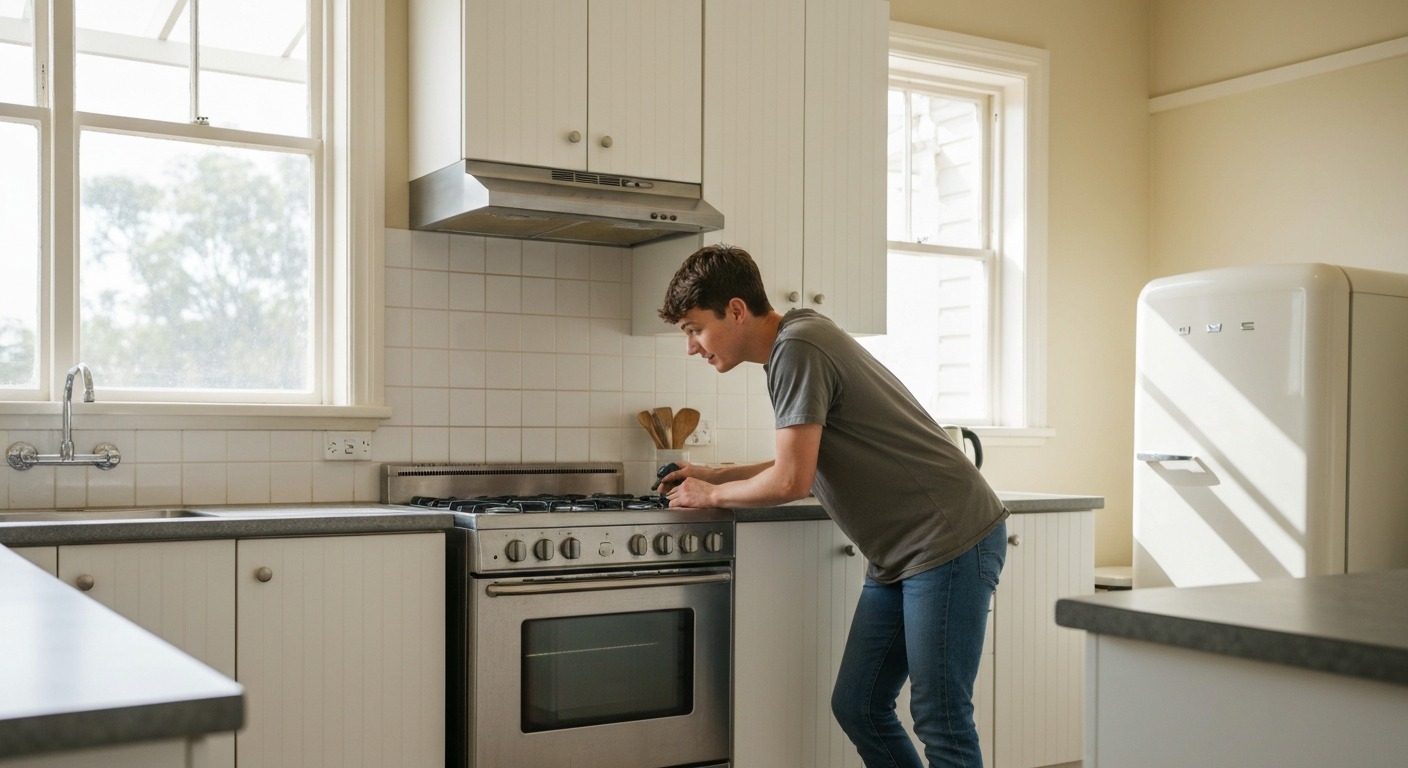
Whether you are signing a new lease, preparing for a quarterly walkthrough, or getting ready to hand back the keys, a structured inspection checklist is your single most valuable tool. Landlords and property managers use condition reports to hold tenants accountable — and a detailed checklist ensures you can hold them accountable in return. Missing even one crack, stain, or faulty fitting at move-in can cost you hundreds at move-out.
This guide provides a complete, printable rental inspection checklist for every room, explains how each inspection type works, breaks down state-by-state rules across Victoria, New South Wales, Queensland, Western Australia, and South Australia, and gives you proven strategies for documenting issues so that disputes never come down to your word against theirs.
Table of Contents
- Why Every Tenant Needs a Rental Inspection Checklist
- Types of Rental Inspections in Australia
- Complete Room-by-Room Inspection Checklist
- How to Document Issues Like a Professional
- State-by-State Inspection Rules for 2026
- Your Rights During Rental Inspections
- Common Items Tenants Miss During Inspections
- Frequently Asked Questions
- Sources and Further Reading
Why Every Tenant Needs a Rental Inspection Checklist
Bond disputes remain one of the most common sources of conflict between tenants and landlords across Australia. State tribunal data consistently shows that tenants who submit detailed condition reports with photographic evidence are far more likely to receive their full bond refund. Those who rely on memory or a quick visual scan often find themselves paying for damage they did not cause.
Protecting Your Bond From Day One
Your bond — typically four weeks' rent — is held in trust by the relevant state authority. At the end of your tenancy, the landlord or property manager compares the property's condition against the original condition report. Every mark, scratch, stain, or malfunction that was not recorded at move-in becomes your financial responsibility.
A systematic checklist prevents three costly mistakes:
- Overlooking pre-existing damage — Small chips in benchtops, hairline cracks in walls, and minor carpet stains are easy to miss during an excited move-in but impossible to explain away at move-out.
- Failing to test functional items — A stove burner that does not ignite, a window that sticks, or a toilet with a slow leak may not be obvious during a walkthrough but will be noted during a final inspection.
- Inadequate documentation — Writing "some marks on wall" is far less useful than "three scuff marks on the eastern wall of bedroom two, each approximately 5 cm in diameter, located 90 cm above the skirting board."
For a deeper dive into condition reports specifically in Victoria, see our guide on condition reports explained for Victorian tenants.
Building a Paper Trail for Maintenance
Beyond bond protection, regular checklist-based inspections help you identify maintenance issues early. A small water stain on the ceiling today could indicate a roof leak that causes structural damage in six months. Documenting these findings and reporting them to your property manager in writing creates a record that demonstrates you acted responsibly — which matters if the issue escalates into a dispute or a claim for urgent repairs.
Types of Rental Inspections in Australia
Not all inspections serve the same purpose, and your approach to each should differ accordingly.
Move-In (Ingoing) Inspection
The move-in inspection is the most consequential inspection of your entire tenancy. It establishes the baseline condition of the property and is the document against which your bond claim will ultimately be assessed. You should receive a condition report from the landlord or agent before or at the start of the lease. Complete it meticulously, add your own notes and photographs, and return a copy within the timeframe required by your state.
This is the time to test every appliance, open every drawer, flush every toilet, and run every tap. If you are moving into a new rental, our checklist for moving into a new rental provides additional guidance on what to prioritise in the first 48 hours.
Routine (Periodic) Inspection
Routine inspections are scheduled visits by your landlord or property manager to check the property's condition during the tenancy. These are governed by strict rules around notice periods, frequency, and conduct. The purpose is to identify maintenance needs and ensure the property is being kept in reasonable condition — not to judge your housekeeping or lifestyle.
You should prepare for routine inspections, but you are not required to present the property in display-home condition. Knowing what questions to ask at a rental inspection can help you use these visits productively to get maintenance addressed.
Move-Out (Outgoing) Inspection
The final inspection compares the property's current state against the original condition report. Normal wear and tear is expected and accepted — faded paint, minor carpet wear in high-traffic areas, and small nail holes from picture hooks are generally not your responsibility. Damage beyond fair wear and tear, however, can result in bond deductions.
Preparing properly for a move-out inspection involves thorough cleaning and a room-by-room check against your original condition report. Our guide on end-of-lease cleaning expectations for tenants explains exactly what standard is required.
Complete Room-by-Room Inspection Checklist
Use the following checklist for any inspection type. During a move-in inspection, note the condition of each item. During a routine or move-out inspection, compare each item against the original condition report.
Kitchen
- [ ] Benchtops — check for chips, burns, stains, and scratches
- [ ] Sink and taps — run water, check for leaks underneath, test hot and cold
- [ ] Oven — open door, check seals, test all functions including grill and fan
- [ ] Stovetop — test each burner or element, check for damage to surfaces
- [ ] Rangehood — test fan on all speeds, check filter condition, test light
- [ ] Dishwasher — run a short cycle, check for leaks, inspect door seal
- [ ] Fridge space — check power point works, measure dimensions if needed
- [ ] Cupboards and drawers — open each one, check hinges, handles, and interiors
- [ ] Pantry shelves — check for stability, cleanliness, and damage
- [ ] Splashback — look for cracks, loose tiles, or grout damage
- [ ] Flooring — inspect for chips, scratches, stains, and lifting edges
- [ ] Walls and ceiling — note marks, cracks, peeling paint, or water stains
- [ ] Light fittings — test each switch, check for missing covers or globes
- [ ] Power points — test with a phone charger, check for damage or discolouration
- [ ] Windows — open and close, check locks, look for cracked glass
- [ ] Flyscreen — check for tears, holes, or missing screens
- [ ] Bins — check condition of any provided bins or bin enclosures
Living and Dining Areas
- [ ] Flooring — check carpet for stains, wear, and burns; check hard floors for scratches
- [ ] Walls — inspect all four walls for marks, holes, cracks, or scuffs
- [ ] Ceiling — look for water stains, cracks, peeling paint, or sagging
- [ ] Skirting boards — note chips, gaps, or damage
- [ ] Doors — open and close each door, check handles and locks
- [ ] Windows — test opening mechanisms, locks, and look for cracked or foggy glass
- [ ] Blinds or curtains — test operation, check for stains or damage
- [ ] Flyscreens — inspect for tears or holes
- [ ] Light fittings — test all switches, check for missing covers
- [ ] Power points — test each one, look for cracks or damage
- [ ] TV antenna point — check connection and plate condition
- [ ] Air conditioning unit — test heating and cooling modes, check remote, clean filters
- [ ] Fireplace — if present, check flue, surround, and hearth condition
- [ ] Built-in shelving — check for damage, stability, and alignment
Bedrooms
- [ ] Flooring — check carpet or hard floor for damage, stains, and wear
- [ ] Walls — inspect all surfaces for marks, holes, or cracks
- [ ] Ceiling — look for stains, cracks, or peeling
- [ ] Built-in wardrobe — open all doors, check shelves, rails, hooks, and tracks
- [ ] Wardrobe doors — check sliding or hinged doors operate smoothly
- [ ] Windows — test opening, closing, and locking mechanisms
- [ ] Blinds or curtains — test operation and check condition
- [ ] Flyscreens — inspect for tears
- [ ] Light fittings — test switches and check globe condition
- [ ] Power points — test each one
- [ ] Door — check handle, lock, and hinges
- [ ] Ceiling fan — if present, test all speeds and any light fitting
Bathroom
- [ ] Basin — check for chips, cracks, and staining; test taps and drainage
- [ ] Toilet — flush, check for leaks at base and cistern, inspect seat condition
- [ ] Shower — test water pressure, check screen or curtain, inspect head and hose
- [ ] Bath — if present, check for chips, stains, and test taps and plug
- [ ] Tiles — look for cracked, loose, or missing tiles on walls and floor
- [ ] Grout — check for mould, discolouration, or crumbling
- [ ] Silicone seals — inspect around bath, shower, and basin for gaps or mould
- [ ] Mirror — check for damage, secure mounting
- [ ] Towel rails and hooks — test security of each fitting
- [ ] Toilet roll holder — check mounting
- [ ] Exhaust fan — test operation and listen for unusual noise
- [ ] Light fittings — test switches
- [ ] Power points — test any shaver points or general outlets
- [ ] Cabinet or vanity — open doors and drawers, check hinges and interior
- [ ] Flooring — check for water damage, lifting, or staining
- [ ] Door — check handle, lock, and hinges
- [ ] Ventilation — check windows open, exhaust fan draws air
Laundry
- [ ] Taps — test hot and cold, check for leaks
- [ ] Trough or sink — check for chips, cracks, drainage
- [ ] Washing machine taps — test both, check hose connections
- [ ] Dryer vent — if present, check vent is clear and connected
- [ ] Cupboards — check condition of doors, shelves, and interiors
- [ ] Flooring — check for water damage or lifting
- [ ] Walls and ceiling — note any damage or water stains
- [ ] Light fitting — test switch
- [ ] Power points — test each one
- [ ] Door to exterior — check lock and hinges
Hallways and Stairs
- [ ] Flooring — check for wear, damage, and trip hazards
- [ ] Walls — inspect for marks, scuffs, and holes
- [ ] Ceiling — look for cracks and stains
- [ ] Handrails — if present, check security and condition
- [ ] Light fittings — test all switches
- [ ] Smoke alarms — press test button, note battery condition
- [ ] Linen cupboard — check shelves, door, and interior
Exterior and Outdoor Areas
- [ ] Front door — test lock, deadbolt, and key operation
- [ ] Back door — test lock and key
- [ ] Security screens — check mesh, frames, and locks
- [ ] Fencing — walk the perimeter, note damage or gaps
- [ ] Gates — check hinges, latches, and locks
- [ ] Paths and driveways — note cracks, uneven surfaces, or trip hazards
- [ ] Garage or carport — check door operation, light, and remote if applicable
- [ ] Letterbox — check door and lock
- [ ] Garden — note existing condition of lawns, garden beds, and plants
- [ ] Outdoor taps — test each one for leaks
- [ ] Clothesline — check operation and line condition
- [ ] Gutters — visible condition from ground level
- [ ] External walls — note cracks, peeling paint, or damage
- [ ] Balcony or deck — check surface, railing security, and drainage
- [ ] Outdoor lighting — test all external lights
- [ ] Pool or spa — if present, check fencing compliance, pump operation, and surface condition
General Items (Whole Property)
- [ ] Keys — count and test every key provided for every lock
- [ ] Remotes — test garage, gate, and air conditioning remotes
- [ ] Smoke alarms — test every alarm in the property
- [ ] Carbon monoxide detectors — test if present
- [ ] Safety switches — locate switchboard and test RCD buttons
- [ ] Hot water system — check type, note location, run hot water to confirm operation
- [ ] Water pressure — test at multiple taps simultaneously
- [ ] Internet connection — check for phone line or NBN connection points
- [ ] Meter readings — record electricity, gas, and water meter numbers
- [ ] Pest evidence — look for droppings, nests, or damage in cupboards and roof spaces
For a more detailed look at maintenance issues that are easy to overlook, see our guide on how to inspect a unit for hidden maintenance issues.
How to Document Issues Like a Professional
Finding an issue is only half the battle. How you record it determines whether it will stand up in a tribunal dispute months or even years later.
Photography and Video Best Practices
Photographs are the gold standard of inspection evidence. Follow these rules to ensure your images are useful:
Enable date and time stamps. Most smartphones can display the date on photos through the camera settings or a dedicated app. If your camera does not support this, take a photo of that day's newspaper or a screen showing the date and time immediately before and after your inspection session.
Shoot wide then close. For every issue, take at least two photos — one wide shot showing the room and the location of the issue, and one close-up showing the detail. A close-up of a crack means nothing if you cannot prove which wall it was on.
Use consistent lighting. Open blinds and turn on lights. Avoid flash where possible as it can wash out surface details. If you must photograph something in a dark corner, use your phone's torch from an angle rather than the built-in flash.
Record video walkthroughs. A continuous video of each room provides context that individual photos cannot. Narrate as you go: "This is the eastern wall of bedroom one, showing two small nail holes approximately 150 cm from the floor." Video with audio narration is particularly powerful evidence.
Back everything up immediately. Upload photos and videos to a cloud service on the same day. Email a copy to yourself. Phones get lost, damaged, and stolen — if your only copy of the move-in photos was on a phone that breaks six months into the lease, you have lost your evidence entirely.
Writing Effective Descriptions
When filling in a condition report, specificity is everything. Vague descriptions like "some wear" or "minor damage" are open to interpretation. Instead, describe:
- What the issue is — crack, stain, chip, scratch, hole, discolouration
- Where exactly it is — which wall (use compass directions or "left wall when facing the window"), height from floor, distance from a fixed reference point
- How big it is — use a ruler or coin for scale in photographs, and estimate dimensions in centimetres
- Severity — hairline crack, surface scratch, deep gouge, through-hole
For example, instead of writing "mark on wall," write: "Dark scuff mark on the northern wall of the living room, approximately 12 cm wide and 4 cm tall, located 60 cm above the skirting board and 30 cm left of the light switch. Appears to be a rubber or shoe mark."
Organising Your Records
Create a dedicated folder structure for your tenancy records:
- Condition report — signed copy with all your annotations
- Move-in photos — organised by room, clearly labelled
- Correspondence — every email and letter to and from the property manager
- Maintenance requests — copies of all requests with dates and responses
- Routine inspection notes — your own checklist records from each quarterly visit
- Move-out photos — taken on the day you vacate, organised identically to move-in photos
This folder becomes your evidence kit if any dispute arises. Tenants who maintain organised records are in a far stronger position at tribunal hearings than those who must reconstruct events from memory.
State-by-State Inspection Rules for 2026
Rental inspection laws vary significantly across Australian states and territories. Understanding the rules that apply to your tenancy is essential for knowing your rights and obligations.
Victoria (VIC)
Governing legislation: Residential Tenancies Act 1997 (as amended)
Notice period for routine inspections: The landlord or agent must give at least 7 days' written notice.
Maximum frequency: Routine inspections may occur no more than once every six months after the first year of tenancy. During the first year, inspections may be more frequent but must still comply with notice requirements.
Entry times: Inspections may only be conducted between 8:00 am and 6:00 pm, unless the tenant agrees to a different time.
Key considerations: Victoria has some of the strongest tenant protections in Australia. The Residential Tenancies Act was significantly reformed in recent years, introducing minimum standards, limits on rent increases, and expanded protections around inspections and privacy. Consumer Affairs Victoria provides detailed guidance on tenant rights during inspections.
For Victorian tenants, our guide on condition reports explained for Victorian tenants covers the specific requirements in detail.
New South Wales (NSW)
Governing legislation: Residential Tenancies Act 2010
Notice period for routine inspections: At least 7 days' written notice is required.
Maximum frequency: No more than four routine inspections per 12-month period (approximately once per quarter).
Entry times: Inspections should be conducted at a reasonable time, with 8:00 am to 8:00 pm generally considered the acceptable window.
Key considerations: NSW Fair Trading requires that landlords and tenants complete a condition report at the start and end of a tenancy. The landlord must provide two copies of the condition report — the tenant completes one and returns it within seven days. Tenants should be aware that the Tribunal can award costs against a landlord who cannot produce a condition report.
Queensland (QLD)
Governing legislation: Residential Tenancies and Rooming Accommodation Act 2008
Notice period for routine inspections: The property manager or landlord must provide a minimum of 7 days' written notice via an Entry Notice (Form 9).
Maximum frequency: Routine inspections cannot occur more than once every three months (four per year).
Entry times: Entry for routine inspections is permitted between 8:00 am and 6:00 pm on any day.
Key considerations: Queensland's Residential Tenancies Authority (RTA) manages bond lodgement and disputes. The RTA provides free condition report templates and a dispute resolution service. Entry notices must specify the date, approximate time, and purpose of entry. The tenant does not need to be present but has the right to be.
Western Australia (WA)
Governing legislation: Residential Tenancies Act 1987
Notice period for routine inspections: At least 7 days' written notice for general inspections, though the specific requirements depend on the type of entry.
Maximum frequency: Routine inspections are generally limited to once every three months. The landlord cannot conduct inspections so frequently that they constitute harassment.
Entry times: Inspections must occur at a reasonable time. The Department of Mines, Industry Regulation and Safety (DMIRS) oversees compliance with tenancy laws.
Key considerations: WA tenants should be aware that landlords must make reasonable efforts to negotiate an inspection time that suits both parties. If you are unavailable at the proposed time, you can request a different time. Unreasonable refusal to allow access, however, may constitute a breach of the tenancy agreement.
South Australia (SA)
Governing legislation: Residential Tenancies Act 1995
Notice period for routine inspections: A minimum of 7 days' written notice is required for a general inspection.
Maximum frequency: Routine inspections may occur no more than once every four weeks, though in practice most landlords inspect quarterly.
Entry times: Entry must be at a reasonable time of day. The landlord must not enter more often than reasonably necessary.
Key considerations: South Australia's Consumer and Business Services provides tenancy advice and manages bond disputes. The condition report process is similar to other states — both parties complete and sign the report, and the tenant should return their copy with amendments within the specified timeframe.
Quick Comparison Table
| State | Notice Period | Maximum Frequency | Entry Hours | |-------|--------------|-------------------|-------------| | VIC | 7 days | Every 6 months (after first year) | 8 am – 6 pm | | NSW | 7 days | 4 per year | 8 am – 8 pm | | QLD | 7 days | Every 3 months | 8 am – 6 pm | | WA | 7 days | Every 3 months | Reasonable hours | | SA | 7 days | No more than reasonably necessary | Reasonable hours |
Your Rights During Rental Inspections
Understanding your rights prevents landlords and property managers from overstepping boundaries during inspections. These protections exist in every state, though the specifics vary.
You Have the Right to Be Present
In every Australian state, you have the right to be present during any inspection of your rental property. While you are not required to be home, being present allows you to point out maintenance issues directly, ask questions, and observe what the inspector notes. If you cannot attend, consider having a trusted person present on your behalf.
Proper Notice Is Mandatory
A landlord or property manager cannot simply turn up unannounced for a routine inspection. Written notice must be provided within the timeframe required by your state's legislation — typically 7 days. If notice is not given or is insufficient, you are within your rights to refuse entry or request a rescheduled visit.
The exception to notice requirements is genuine emergencies — such as a burst pipe, fire, or gas leak — where immediate access is necessary to prevent danger or further damage.
Inspectors Cannot Invade Your Privacy
During an inspection, the landlord or agent is there to assess the condition of the property, not to examine your personal life. They should not:
- Open locked cupboards, safes, or personal storage containers
- Photograph your personal belongings
- Comment on your lifestyle, decorating choices, or number of occupants (unless lease terms are being breached)
- Enter without knocking or without permission when you are home
- Stay longer than reasonably necessary
- Bring unauthorised people to the inspection
Cleanliness Standards Must Be Reasonable
You are required to keep the property "reasonably clean and tidy," but this does not mean the property must look like a display home. Lived-in conditions are normal and expected. Dishes on the sink, toys on the floor, or an unmade bed are not grounds for a breach notice. However, conditions that pose a health risk — such as significant mould growth from failure to ventilate, or pest infestations caused by accumulated rubbish — may be a different matter.
You Can Dispute Unfair Inspection Outcomes
If a property manager issues a breach notice or makes claims about property condition that you believe are unfair, you have the right to dispute it. Document your position with photographs and written descriptions, then respond in writing. If the matter cannot be resolved directly, each state has a tribunal or dispute resolution service that can make a binding determination.
Common Items Tenants Miss During Inspections
Even with a checklist, certain items are frequently overlooked. Experienced property managers know these blind spots and will check them at move-out — so you need to check them at move-in.
Behind and Under Appliances
Pull the fridge space away from the wall if possible. Look behind and underneath the oven. These areas frequently have stains, grease buildup, or pest evidence that tenants only discover when they move out and are asked to clean them. If these areas are dirty when you move in, photograph them and note it on the condition report.
Inside Oven and Rangehood Filters
Open the oven and look at the interior surfaces, door glass, and seals. Remove rangehood filters and check their condition. Heavy grease buildup that was present when you moved in should be documented so you are not charged for professional cleaning at move-out.
Window Tracks and Flyscreens
Slide every window open and closed. Check the tracks for debris, mould, or damage. Inspect each flyscreen for tears, holes, or bent frames. Flyscreen replacement can be surprisingly expensive, and damage is often attributed to the outgoing tenant unless the condition report says otherwise.
Ceiling Corners and Cornices
Look up. Ceiling corners are where water damage first appears, where mould grows, and where cracks form due to structural movement. Cornices can separate from walls or ceilings over time. These issues are easy to miss during a quick walkthrough but will be visible to a thorough property manager.
Garage and Carport Floors
Garages often have oil stains, paint marks, or cracks in the concrete floor. If a garage remote is provided, test it. Check the manual lock as well. Note any existing stains or damage to the garage door, walls, and floor.
Hot Water System Condition
Walk outside and locate the hot water system. Note its type (electric, gas, solar, heat pump), its approximate age if visible on the label, and whether there are any signs of rust, leaks, or corrosion. While you are not responsible for its mechanical condition, documenting its state protects you from being blamed for pre-existing deterioration.
Curtain and Blind Mechanisms
Do not just glance at the curtains — operate every blind cord, wand, or chain. Open and close curtains fully. Check for broken slats, frayed cords, bent tracks, and stained fabric. Blind replacement can cost hundreds of dollars per window, and damage is frequently disputed.
Mould in Concealed Areas
Check inside wardrobes, behind doors, under sinks, and in any area with poor ventilation. Mould that exists at move-in must be documented immediately. If you discover mould during your tenancy, report it to the property manager in writing as soon as possible — it may indicate a building defect that the landlord is responsible for addressing.
Frequently Asked Questions
What should I check during a rental move-in inspection?
Check every room for existing damage including walls, floors, ceilings, windows, doors, fixtures, and appliances. Test all taps, light switches, power points, and locks. Photograph everything with timestamps. Note any issues on the condition report before signing. Pay particular attention to areas that are commonly missed — behind appliances, inside ovens, window tracks, and ceiling corners. The move-in inspection is your only opportunity to establish a baseline, so invest the time to be thorough.
How do I document issues found during a rental inspection?
Take date-stamped photos and videos of every issue. Write detailed descriptions on the condition report — be specific about location, size, and type of damage. Keep copies of all documentation and send written notification to your property manager within the required timeframe. A good description includes what the issue is, exactly where it is located (using reference points like distance from a wall or height above the floor), how large it is, and its severity. Always take both wide-angle and close-up photographs.
What are my rights during a routine rental inspection?
Landlords must give proper written notice before inspections — typically 7 days in most states. Inspections can only occur at reasonable times, generally between 8:00 am and 6:00 pm. You have the right to be present during the inspection. Inspectors cannot open locked personal items, photograph your belongings, or demand unreasonable cleanliness standards. If notice is not properly given, you may refuse entry and request that the inspection be rescheduled.
How many routine inspections can a landlord do per year?
In most Australian states, routine inspections are limited to four per year (once every three months). Victoria limits inspections to once every six months after the first year of a lease. Each state has specific notice period requirements, but 7 days' written notice is standard across all jurisdictions. Inspections conducted more frequently than the legal maximum may constitute harassment, and you have the right to refuse access or lodge a complaint with your state's tenancy authority.
What is considered fair wear and tear?
Fair wear and tear refers to the natural deterioration that occurs through normal, everyday use of the property. Examples include slight fading of paint from sunlight, minor scuff marks on floors in high-traffic areas, small nail holes from hanging pictures, worn carpet in hallways, and faded curtains. Damage caused by negligence, misuse, or accidents — such as large holes in walls, burns on carpet, or broken windows — is not fair wear and tear and can be deducted from your bond.
Can I refuse entry if notice was not given properly?
Yes. If the landlord or property manager has not provided the legally required written notice (typically 7 days for routine inspections), you can refuse entry and request that the inspection be rescheduled with proper notice. You should communicate this in writing and reference the relevant section of your state's tenancy legislation. However, you cannot refuse entry in a genuine emergency regardless of notice.
Should I attend routine inspections?
While attendance is not mandatory, it is strongly recommended. Being present allows you to point out maintenance issues to the property manager, ask about any concerns they raise, and ensure the inspection is conducted fairly. If you cannot attend personally, consider having a housemate or trusted person present. After each routine inspection, write your own notes about the property's condition for your records.
Sources and Further Reading
-
Consumer Affairs Victoria — Residential Tenancies Act 1997 and tenant rights during inspections. Available at consumer.vic.gov.au.
-
NSW Fair Trading — Condition reports and inspection guidelines under the Residential Tenancies Act 2010. Available at fairtrading.nsw.gov.au.
-
Residential Tenancies Authority Queensland (RTA) — Entry notices, condition reports, and dispute resolution. Available at rta.qld.gov.au.
-
Department of Mines, Industry Regulation and Safety Western Australia (DMIRS) — Rental inspection rules and tenant rights under the Residential Tenancies Act 1987. Available at dmirs.wa.gov.au.
-
Tenants' Union of NSW — Independent tenant advocacy and legal information on inspection rights and bond disputes. Available at tenants.org.au.
-
Consumer and Business Services South Australia — Tenancy rights and obligations under the Residential Tenancies Act 1995. Available at cbs.sa.gov.au.
-
Tenants Victoria — Detailed guidance on condition reports, inspections, and dispute resolution for Victorian renters. Available at tenantsvic.org.au.
Keep your shortlist moving
Get suburb-specific rental updates once you have narrowed your target areas.
FAQ
Get RentBuzz's weekly market update
Suburb medians, sample listings, and strategy notes for Victorian renters.
About the author
RentBuzz Editorial Team writes practical Victoria-first rental guides focused on suburb pricing, application readiness, and renter decision-making.
Want more Victorian rental advice?
Join our footer list for new guides, calculators, and suburb pricing movement.