Average Rent Sydney by Suburb 2026: Full Breakdown
Get suburb rental alerts before your next inspection
Join the list for new rental alerts, suburb medians, and practical renter updates.
Join 2,400+ Victorian renters. Unsubscribe anytime.
title: "Average Rent Sydney by Suburb 2026: Full Breakdown" slug: "average-rent-sydney-by-suburb-2026" description: "Average rent in Sydney by suburb for 2026. Full breakdown of houses, units, and share houses across Inner West, Eastern Suburbs, North Shore, and more." author: "Maya Chen" authorTitle: "Content Writer, RentBuzz" datePublished: "2026-04-01" dateModified: "2026-04-01" primaryKeyword: "average rent sydney by suburb 2026" image: "/images/articles/average-rent-sydney-suburb-2026-hero.jpg" ogImage: "/images/articles/average-rent-sydney-suburb-2026-hero.jpg" ogTitle: "Average Rent Sydney by Suburb 2026: Full Breakdown" ogDescription: "Full breakdown of Sydney average rents by suburb in 2026 — houses, units, and budget guides by region." ogType: "article" ogUrl: "/guides/average-rent-sydney-by-suburb-2026" ogSiteName: "RentBuzz" twitterCard: "summary_large_image" twitterTitle: "Average Rent Sydney by Suburb 2026: Full Breakdown" twitterDescription: "Full breakdown of Sydney average rents by suburb in 2026 — houses, units, and budget guides." twitterImage: "/images/articles/average-rent-sydney-suburb-2026-hero.jpg" twitterSite: "@rentbuzz" schema: article: "@context": "https://schema.org" "@type": "Article" headline: "Average Rent Sydney by Suburb 2026: Full Breakdown" datePublished: "2026-04-01" dateModified: "2026-04-01" author: "@type": "Person" name: "Maya Chen" publisher: "@type": "Organization" name: "RentBuzz" logo: "@type": "ImageObject" url: "/images/rentbuzz-logo.png" image: - "/images/articles/average-rent-sydney-suburb-2026-hero.jpg" description: "Sydney average rent by suburb 2026 with full data for houses, units, and share houses across all regions." faq: "@context": "https://schema.org" "@type": "FAQPage" mainEntity: - "@type": "Question" name: "What is the average rent in Sydney in 2026?" acceptedAnswer: "@type": "Answer" text: "The overall median weekly rent in Sydney for a two-bedroom unit is approximately $580 in early 2026. For houses, the median is around $650 per week. These figures vary significantly by region, with inner-city and eastern suburbs commanding premiums of 30-50% above the metro average." - "@type": "Question" name: "What is the cheapest area to rent in Sydney?" acceptedAnswer: "@type": "Answer" text: "Western Sydney suburbs like Warwick Farm, Carramar, and Mount Druitt offer the lowest median rents, with two-bedroom units from $380-$420 per week. South-western suburbs like Campbelltown and Liverpool also remain below the metro median." - "@type": "Question" name: "How much is rent in Bondi in 2026?" acceptedAnswer: "@type": "Answer" text: "Bondi Beach median weekly rent for a two-bedroom unit sits around $850 per week in 2026. One-bedroom apartments average $650-$700. Bondi remains one of Sydney's premium rental markets due to beach proximity and lifestyle appeal." - "@type": "Question" name: "Where to rent in Sydney if my budget is $500 per week?" acceptedAnswer: "@type": "Answer" text: "With a $500 per week budget for a two-bedroom unit, look at suburbs like Parramatta, Auburn, Bankstown, Canterbury, and Strathfield. These middle-ring suburbs offer good transport links and amenities while staying within budget."
Average Rent Sydney by Suburb 2026: Full Breakdown
The average rent in Sydney by suburb in 2026 ranges from $380 per week for a two-bedroom unit in outer western suburbs to over $900 in premium eastern and lower north shore pockets. This guide breaks down median weekly rents for houses, units, and share houses across every major Sydney region so you can find the right suburb for your budget.
By Maya Chen | Last updated April 2026
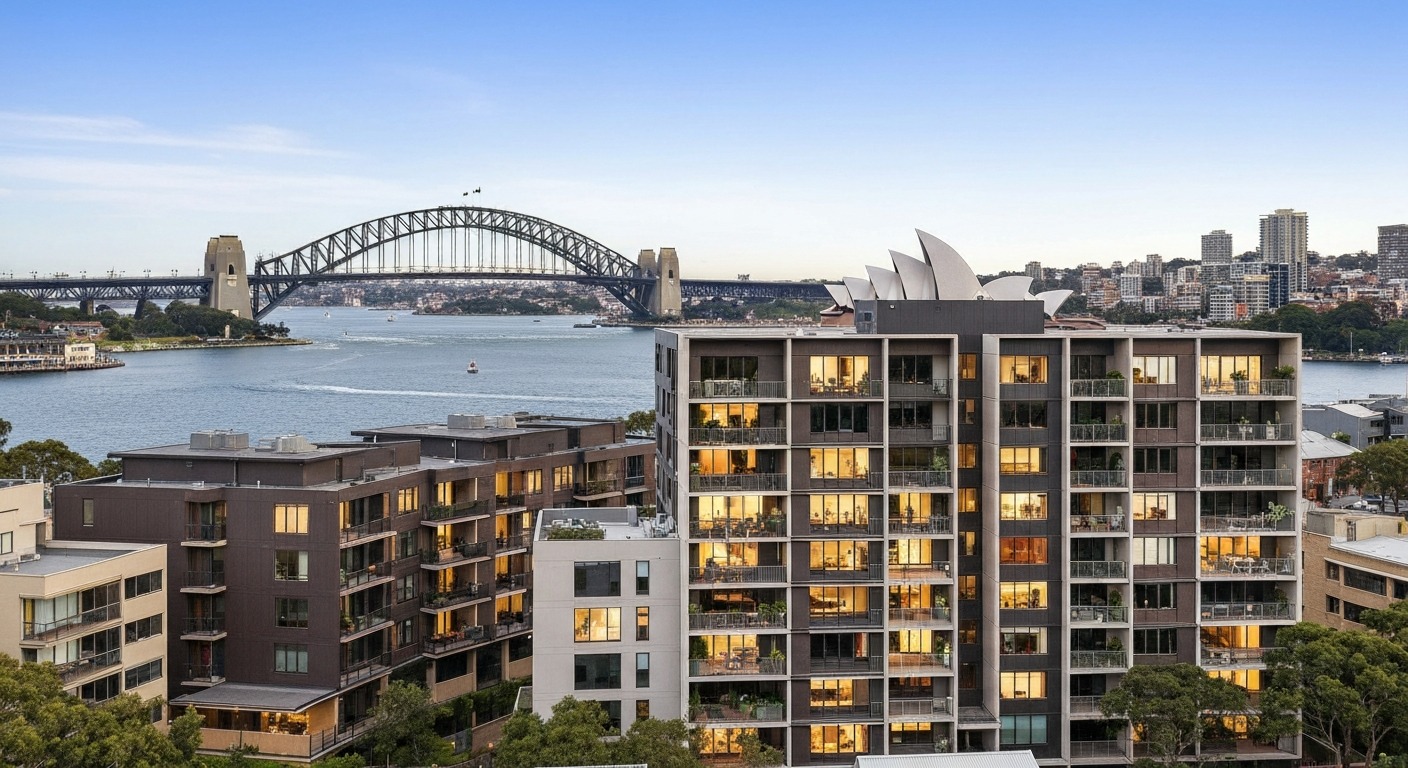
Table of Contents
- Sydney Rental Market Overview 2026
- Inner West
- Eastern Suburbs
- Lower and Upper North Shore
- Northern Beaches
- Western Sydney and Parramatta
- South-West Sydney
- Sutherland Shire
- Hills District
- Share House Rents by Region
- Where to Rent Based on Your Budget
- How Sydney Rents Have Changed Since 2024
- Frequently Asked Questions
- Sources
Sydney Rental Market Overview 2026
Sydney's rental market in early 2026 shows signs of stabilisation after several years of aggressive growth. According to Domain.com.au's March 2026 Rental Report, the metro-wide median weekly rent for a two-bedroom unit sits at approximately $580, while a three-bedroom house commands around $650 per week. These figures represent a year-on-year increase of roughly 3.5% for units and 2.8% for houses — a marked slowdown compared to the double-digit jumps recorded in 2023 and 2024.
CoreLogic data confirms that vacancy rates have ticked upward slightly to 1.6% across Greater Sydney, easing from the sub-1% crisis levels seen in late 2023. SQM Research notes that new dwelling completions in the second half of 2025, particularly across Western Sydney and the Parramatta corridor, have contributed to this gradual rebalancing.
That said, the market remains tight by historical standards. NSW Fair Trading reports that rental bond lodgements continue to outpace bond refunds, suggesting tenant turnover remains low as renters hold onto existing leases rather than risk re-entering a competitive market. For those actively searching, understanding suburb-level pricing is essential. The difference between two suburbs only ten minutes apart can easily be $150 or more per week.
This guide organises Sydney's rental landscape by region, covering more than 25 suburbs with median weekly rents for both units and houses. Whether you are relocating for work, downsizing, or hunting for a first rental, the data below will help you target suburbs that match your lifestyle and your budget.
If you are also looking for the most affordable pockets of the city, our dedicated guide on the cheapest suburbs to rent in Sydney in 2026 goes deeper into budget-friendly options.
Inner West
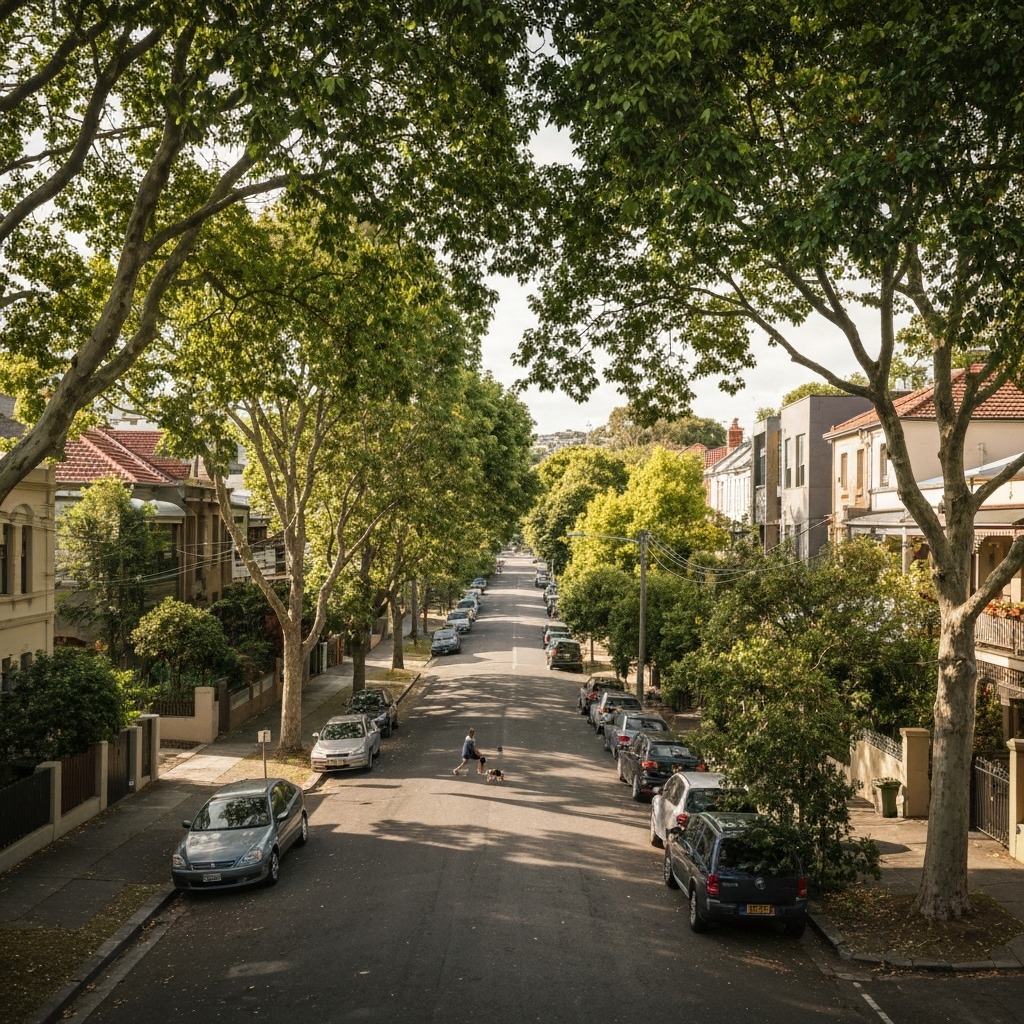
The Inner West remains one of Sydney's most sought-after rental corridors, blending village character, café culture, and strong public transport connections via the Metro and Inner West Light Rail. Demand from young professionals and couples keeps vacancy rates below the metro average in most pockets.
Suburb-by-Suburb Rent Data: Inner West
| Suburb | Median Rent (2BR Unit) | Median Rent (3BR House) | |---|---|---| | Newtown | $620/wk | $780/wk | | Marrickville | $590/wk | $740/wk | | Leichhardt | $600/wk | $760/wk | | Dulwich Hill | $560/wk | $710/wk | | Ashfield | $530/wk | $680/wk | | Summer Hill | $570/wk | $720/wk |
Data: Domain.com.au, Q1 2026 median asking rents.
Inner West Trend Commentary
Newtown continues to command the highest unit rents in the Inner West, driven by proximity to the University of Sydney, King Street dining, and Newtown station on the T3 Bankstown Line. Marrickville has narrowed the gap significantly over the past two years following the opening of the Sydney Metro West station at Marrickville, which cut CBD commute times to under fifteen minutes.
Ashfield offers the best relative value in the Inner West corridor, particularly for renters who need access to the CBD via the T2 Inner West line. Two-bedroom units here sit roughly $90 per week below Newtown equivalents. Dulwich Hill also remains a strong mid-range option.
For share houses, Inner West rooms typically range from $270 to $350 per week including bills. Marrickville and Dulwich Hill tend to sit at the lower end, while Newtown and Enmore rooms push toward the top.
Eastern Suburbs
The Eastern Suburbs consistently rank as Sydney's most expensive rental market outside the CBD itself. Beach access, harbour views, prestigious school catchments, and a concentration of high-income households all contribute to elevated rents.
Suburb-by-Suburb Rent Data: Eastern Suburbs
| Suburb | Median Rent (2BR Unit) | Median Rent (3BR House) | |---|---|---| | Bondi Beach | $850/wk | $1,200/wk | | Bondi Junction | $750/wk | $1,050/wk | | Randwick | $680/wk | $950/wk | | Coogee | $780/wk | $1,100/wk | | Maroubra | $620/wk | $830/wk | | Kensington | $650/wk | $880/wk |
Data: CoreLogic RP Data, Q1 2026 median rents.
Eastern Suburbs Trend Commentary
Bondi Beach remains the headline suburb, with two-bedroom units asking a median of $850 per week. While that figure is confronting, growth has slowed to around 2% year-on-year as affordability constraints begin to cap demand. Bondi Junction, positioned one suburb inland, offers a meaningful discount while retaining excellent transport via the T4 Eastern Suburbs line and Westfield shopping.
Maroubra stands out as the relative value play in the Eastern Suburbs. Its two-bedroom unit median of $620 per week sits well below the regional average, and new light rail connectivity has improved its appeal for CBD commuters. Randwick has benefited from the CBD and South East Light Rail, with rents firming accordingly.
If you are comparing the Eastern Suburbs to the Inner West, our guide on how to compare rental value between suburbs offers a framework for weighing up transport costs, amenities, and lifestyle factors alongside raw rent figures.
Lower and Upper North Shore
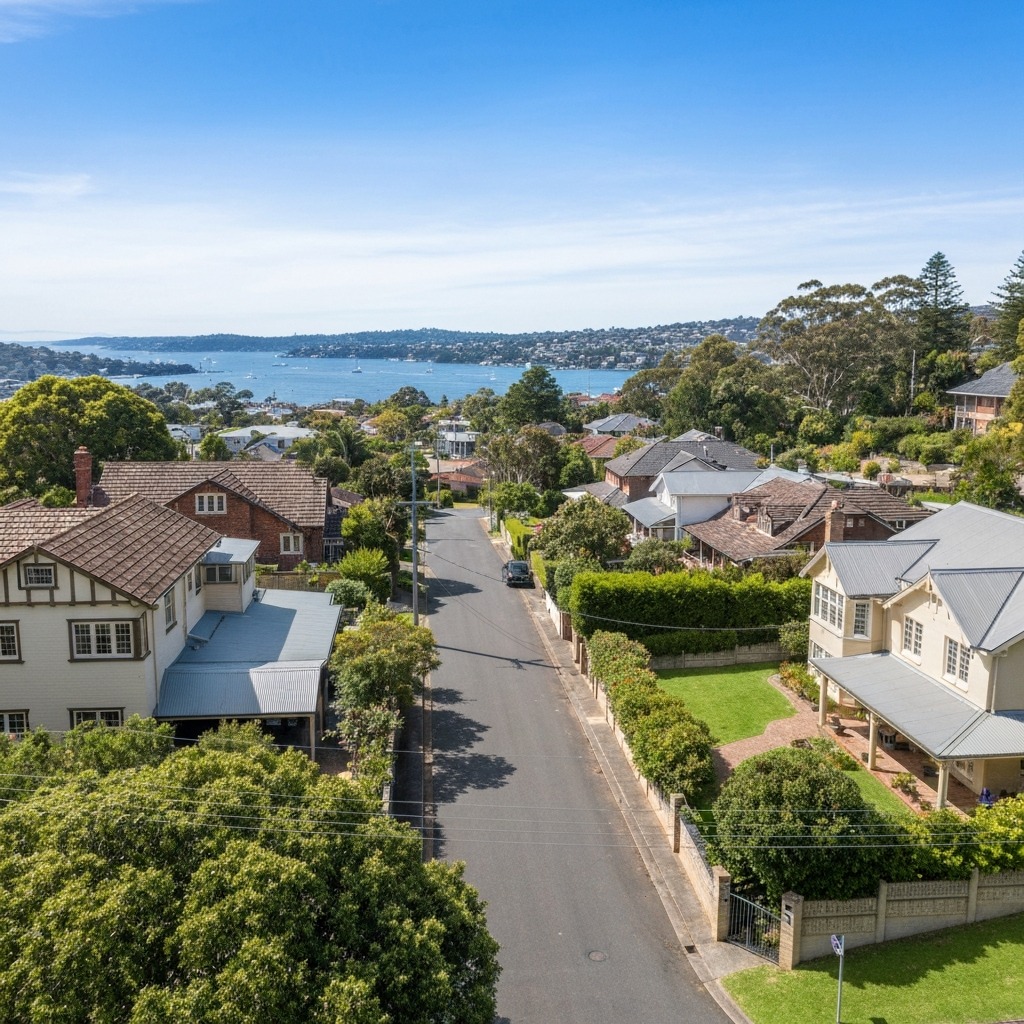
The North Shore spans two distinct markets. The Lower North Shore — suburbs closest to the Harbour Bridge — commands premium rents comparable to the Eastern Suburbs. The Upper North Shore, stretching from Chatswood northward along the T1 North Shore Line, offers more moderate pricing with a family-friendly character.
Suburb-by-Suburb Rent Data: North Shore
| Suburb | Median Rent (2BR Unit) | Median Rent (3BR House) | |---|---|---| | North Sydney | $780/wk | $1,050/wk | | Neutral Bay | $720/wk | $980/wk | | Mosman | $800/wk | $1,200/wk | | Cremorne | $700/wk | $950/wk | | Chatswood | $600/wk | $780/wk | | Lane Cove | $580/wk | $750/wk | | Gordon | $530/wk | $700/wk |
Data: REA Group Rental Market Trends, Q1 2026.
North Shore Trend Commentary
North Sydney's transformation into a secondary CBD — accelerated by the Sydney Metro City and Southwest line — has pushed unit rents to $780 per week, rivalling inner-city levels. Mosman retains its position as one of Sydney's most expensive rental suburbs overall, with three-bedroom houses exceeding $1,200 per week.
The Upper North Shore offers substantially better value. Gordon, roughly 14 kilometres from the CBD with an express train service, has two-bedroom units at $530 per week — over $250 less than Lower North Shore equivalents. Lane Cove and Chatswood sit in the middle tier, providing a balance of amenity, green space, and reasonable commute times.
Chatswood has seen particular demand from families and international professionals, driven by its shopping precinct, direct metro access, and multicultural dining. Rents there have risen about 4% over the past year, slightly above the metro average.
Northern Beaches
The Northern Beaches offer a coastal lifestyle distinct from the Eastern Suburbs, with a more relaxed pace and larger dwelling sizes. The trade-off is commute time — most Northern Beaches suburbs lack train access and rely on bus services or the B-Line rapid bus to the CBD.
Suburb-by-Suburb Rent Data: Northern Beaches
| Suburb | Median Rent (2BR Unit) | Median Rent (3BR House) | |---|---|---| | Manly | $800/wk | $1,150/wk | | Dee Why | $600/wk | $820/wk | | Brookvale | $580/wk | $790/wk | | Narrabeen | $590/wk | $810/wk | | Mona Vale | $610/wk | $850/wk |
Data: Domain.com.au, Q1 2026.
Northern Beaches Trend Commentary
Manly is the flagship suburb here, with ferry and bus connections keeping it well-linked to the CBD despite being 17 kilometres away. Its two-bedroom unit median of $800 per week places it firmly in premium territory, though slightly below Bondi Beach due to the longer commute.
Dee Why and Brookvale offer the Northern Beaches lifestyle at a significant discount. Two-bedroom units around $580 to $600 per week make these suburbs accessible to renters who prioritise beach proximity but cannot stretch to Manly pricing. The B-Line bus service from Mona Vale to the CBD has been a meaningful amenity lift for suburbs further north.
Share house rooms on the Northern Beaches typically range from $280 to $370 per week. Manly rooms command the highest prices, while Dee Why and Narrabeen share houses offer more moderate entry points.
Western Sydney and Parramatta
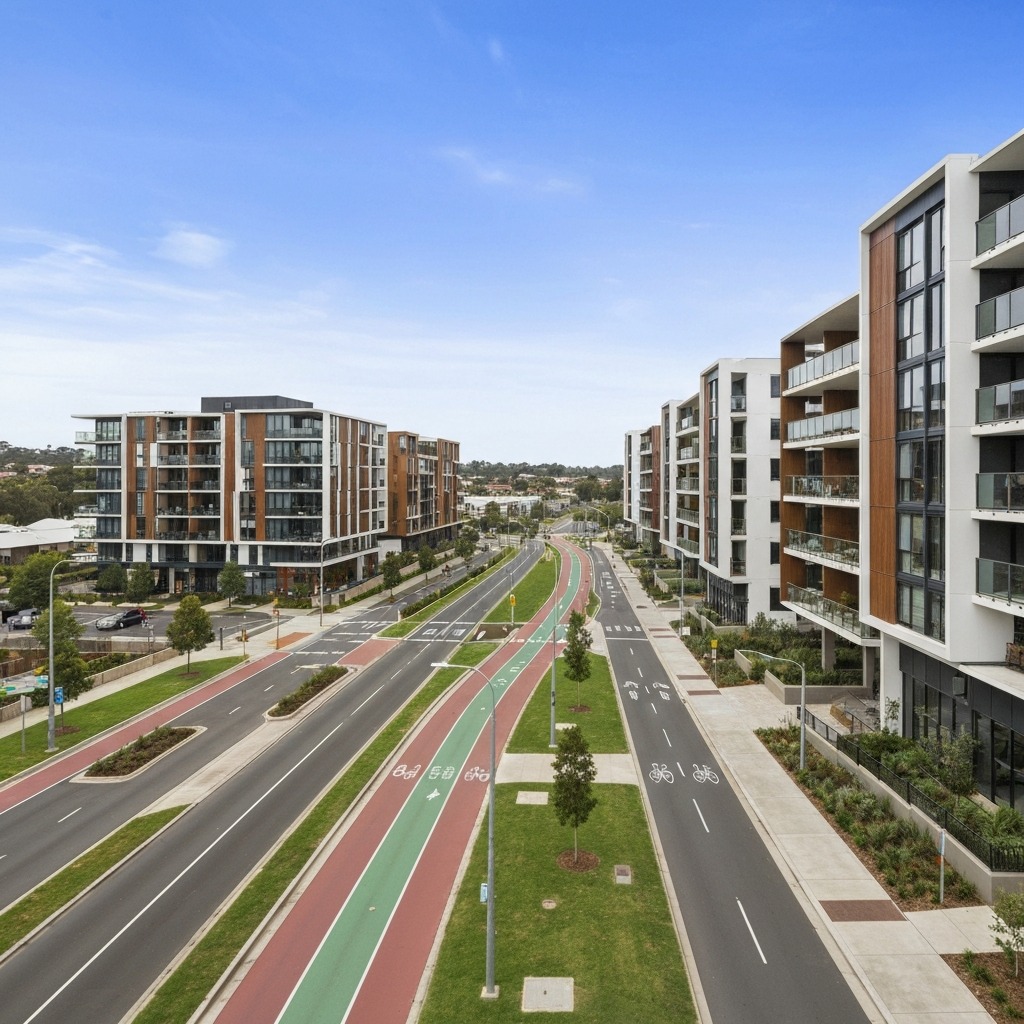
Western Sydney has undergone a significant transformation over the past decade, with Parramatta now functioning as Sydney's second CBD. The region offers the most affordable rents across the metro area while benefiting from ongoing infrastructure investment, including the Sydney Metro West and Western Sydney Airport (scheduled to open in late 2026).
Suburb-by-Suburb Rent Data: Western Sydney
| Suburb | Median Rent (2BR Unit) | Median Rent (3BR House) | |---|---|---| | Parramatta | $500/wk | $600/wk | | Auburn | $460/wk | $560/wk | | Granville | $430/wk | $530/wk | | Blacktown | $440/wk | $530/wk | | Mount Druitt | $390/wk | $470/wk | | Penrith | $420/wk | $510/wk | | Warwick Farm | $380/wk | $460/wk |
Data: SQM Research, Q1 2026 median asking rents.
Western Sydney Trend Commentary
Parramatta's median two-bedroom unit rent has crossed the $500 per week mark for the first time, reflecting its growing status as a major employment and entertainment hub. The Parramatta Light Rail Stage 1, combined with the upcoming Metro West stations, continues to draw renters westward from more expensive inner-city suburbs.
Auburn and Granville represent strong value options within the Parramatta orbit. Both suburbs are within ten minutes by train from Parramatta station, with Auburn in particular offering a multicultural food scene and access to the Olympic Park precinct.
Mount Druitt and Warwick Farm remain Sydney's most affordable rental suburbs for units, with medians under $400 per week. While these areas have historically faced perceptions of disadvantage, ongoing investment in local infrastructure and community facilities is gradually shifting the narrative. For renters on tight budgets, these suburbs provide genuine savings of $200 or more per week compared to inner-city alternatives.
For a deeper look at affordable options across the city, see our complete guide to the cheapest suburbs to rent in Sydney in 2026.
South-West Sydney
South-West Sydney encompasses a broad corridor from Canterbury-Bankstown through to Campbelltown and beyond. The region serves a large and diverse population, with rents generally sitting below the metro median. Improved rail services on the T2 and T8 lines, and the future Metro Southwest extension, are gradually improving connectivity.
Suburb-by-Suburb Rent Data: South-West Sydney
| Suburb | Median Rent (2BR Unit) | Median Rent (3BR House) | |---|---|---| | Bankstown | $480/wk | $570/wk | | Canterbury | $490/wk | $590/wk | | Hurstville | $530/wk | $640/wk | | Campbelltown | $400/wk | $490/wk | | Liverpool | $430/wk | $520/wk | | Lakemba | $440/wk | $520/wk |
Data: Domain.com.au and CoreLogic, Q1 2026.
South-West Sydney Trend Commentary
Bankstown and Canterbury have seen notable rent growth over the past 18 months, partially driven by anticipation of the Sydney Metro City and Southwest line, which will significantly cut travel times to the CBD. Canterbury in particular has emerged as a value alternative to the Inner West, offering similar multicultural dining and shopping at $100 less per week for a two-bedroom unit.
Hurstville commands a premium within the south-west corridor due to its position as a major retail and transport hub on the T4 Illawarra Line. Campbelltown and Liverpool, further afield, remain firmly in the affordable bracket and suit renters working in south-western employment corridors or those who prioritise space over commute time.
Sutherland Shire
The Sutherland Shire — known locally as "The Shire" — sits in Sydney's south and offers a family-oriented lifestyle with access to beaches at Cronulla and bushland along the Royal National Park. Rents here tend to sit between the inner-city premium and outer-suburban affordability.
Suburb-by-Suburb Rent Data: Sutherland Shire
| Suburb | Median Rent (2BR Unit) | Median Rent (3BR House) | |---|---|---| | Cronulla | $650/wk | $880/wk | | Miranda | $560/wk | $720/wk | | Sutherland | $530/wk | $690/wk | | Caringbah | $570/wk | $740/wk |
Data: REA Group and Domain.com.au, Q1 2026.
Sutherland Shire Trend Commentary
Cronulla is the standout premium suburb in The Shire, with beach proximity driving two-bedroom unit rents to $650 per week. While expensive by Shire standards, Cronulla remains notably cheaper than equivalent beachside suburbs in the Eastern Suburbs or Northern Beaches.
Miranda and Sutherland offer solid mid-range options with good shopping amenities and T4 Cronulla Line access to the CBD. Caringbah has firmed slightly as overflow demand from Cronulla pushes renters one suburb inland.
Hills District
The Hills District in Sydney's north-west has been one of the biggest beneficiaries of the Sydney Metro Northwest, which opened in 2019 and connected previously car-dependent suburbs to the rail network. New apartment developments around metro stations have added rental stock, keeping rent growth moderate despite strong demand.
Suburb-by-Suburb Rent Data: Hills District
| Suburb | Median Rent (2BR Unit) | Median Rent (3BR House) | |---|---|---| | Castle Hill | $540/wk | $680/wk | | Baulkham Hills | $510/wk | $650/wk | | Rouse Hill | $530/wk | $660/wk | | Bella Vista | $550/wk | $690/wk |
Data: SQM Research, Q1 2026.
Hills District Trend Commentary
Bella Vista has emerged as a popular rental suburb following the development of the Norwest Business Park and the adjacent metro station. Its two-bedroom unit median of $550 per week reflects the quality of newer apartment stock in the area. Castle Hill and Rouse Hill offer similar pricing with access to major shopping centres.
Baulkham Hills remains the most affordable option in the Hills District for units, sitting at $510 per week. The area attracts families drawn to its school catchments and suburban character.
Share House Rents by Region
Share housing remains a critical part of Sydney's rental ecosystem, particularly for students, recent graduates, and single renters. According to Flatmates.com.au data aggregated by Domain.com.au, the median room rent in a Sydney share house in Q1 2026 sits at approximately $300 per week, though this varies significantly by region.
| Region | Median Room Rent (per week) | Typical Inclusions | |---|---|---| | Inner West | $290 - $350 | Bills often included | | Eastern Suburbs | $330 - $420 | Bills sometimes included | | Lower North Shore | $310 - $390 | Bills vary | | Northern Beaches | $280 - $370 | Bills often included | | Western Sydney | $200 - $280 | Bills usually included | | South-West Sydney | $190 - $270 | Bills usually included | | Sutherland Shire | $260 - $330 | Bills vary | | Hills District | $240 - $310 | Bills vary |
Data: Domain.com.au and Flatmates.com.au, Q1 2026.
Western Sydney and South-West Sydney offer the most affordable share house rooms, with medians starting below $200 per week in suburbs like Mount Druitt and Campbelltown. These areas are particularly relevant for international students and hospitality workers who may be building rental histories for the first time.
If you are entering the share house market or transitioning from a share house to a solo lease, building a strong rental application is essential. Our guide on how to improve your rental application covers the key steps.
Where to Rent Based on Your Budget
One of the most common questions renters ask is which suburbs they can actually afford. The tables above provide raw data, but translating that into actionable advice requires matching your budget to specific suburbs and dwelling types.
Budget: Under $450 per Week (Two-Bedroom Unit)
At this price point, your options are concentrated in Western Sydney and South-West Sydney. Key suburbs include:
- Warwick Farm — $380/wk median, close to Liverpool station
- Mount Druitt — $390/wk median, access to T1 Western Line
- Campbelltown — $400/wk median, major south-west hub
- Penrith — $420/wk median, gateway to the Blue Mountains
- Granville — $430/wk median, short train ride to Parramatta
- Liverpool — $430/wk median, strong local employment
These suburbs offer genuine savings but come with longer CBD commute times (typically 45 to 75 minutes by train). If you work in Western Sydney or have flexible work arrangements, the commute trade-off becomes far more manageable.
Budget: $450 - $550 per Week (Two-Bedroom Unit)
This mid-range budget opens up a significantly wider set of suburbs, including parts of the Inner West, North Shore, and Sutherland Shire:
- Bankstown — $480/wk median, upcoming metro access
- Canterbury — $490/wk median, emerging Inner West alternative
- Parramatta — $500/wk median, second CBD with strong amenities
- Baulkham Hills — $510/wk median, family-friendly Hills District
- Ashfield — $530/wk median, Inner West value option
- Gordon — $530/wk median, Upper North Shore with express trains
- Sutherland — $530/wk median, Shire access
- Castle Hill — $540/wk median, metro-connected Hills District
This bracket represents the sweet spot for many Sydney renters — suburbs with reasonable transport, good local amenities, and rents that keep housing costs below 30% of a combined household income for many dual-income couples.
Budget: $550 - $700 per Week (Two-Bedroom Unit)
At this level, most of Sydney's middle ring opens up, including popular Inner West and North Shore suburbs:
- Dulwich Hill — $560/wk, Inner West character
- Marrickville — $590/wk, metro-connected Inner West
- Chatswood — $600/wk, North Shore hub
- Dee Why — $600/wk, Northern Beaches lifestyle
- Newtown — $620/wk, Sydney's cultural heartland
- Maroubra — $620/wk, Eastern Suburbs value
- Cronulla — $650/wk, beachside Shire
- Randwick — $680/wk, light rail to CBD
Budget: $700+ per Week (Two-Bedroom Unit)
Premium suburbs across the Eastern Suburbs, Lower North Shore, and beachside pockets:
- Neutral Bay — $720/wk, Lower North Shore
- Bondi Junction — $750/wk, eastern transport hub
- North Sydney — $780/wk, harbour views and metro
- Manly — $800/wk, ferry commute lifestyle
- Mosman — $800/wk, prestigious Lower North Shore
- Bondi Beach — $850/wk, iconic beachside living
At this end of the market, competition can be fierce for well-presented properties. Preparing a polished application is important — our guide on how to win a rental application in Australia in 2026 walks through the strategies that give you the best chance of securing your preferred property.
How Sydney Rents Have Changed Since 2024
To put the current figures in context, it helps to look at the trajectory of rent growth over the past two years. The period from late 2022 through 2024 was defined by crisis-level tightness: vacancy rates bottomed out below 1%, interstate and international migration surged post-COVID, and new housing supply failed to keep pace with demand.
According to CoreLogic, Sydney's median unit rent grew by 12.4% in 2023 and a further 7.1% in 2024. By comparison, growth in early 2026 has moderated to 3.5% year-on-year — still above inflation, but a significant easing from the peaks.
Several factors have contributed to the slowdown:
-
New supply coming online. Major apartment completions in Parramatta, Rouse Hill, and the Green Square precinct added meaningful rental stock in late 2025. NSW Government data shows dwelling approvals in Greater Sydney rose 8% in the 2025 financial year.
-
Affordability ceiling. With rents at record highs relative to incomes, some tenants have relocated to more affordable suburbs or downsized, reducing demand pressure in premium pockets.
-
Vacancy rate normalisation. SQM Research reports the Sydney vacancy rate at 1.6% in March 2026, up from 1.0% a year earlier. While still below the long-term average of 2.5-3%, this easing has given tenants slightly more negotiating power.
-
Interest rate stabilisation. The Reserve Bank of Australia's decision to hold rates steady through the second half of 2025, followed by a modest cut in early 2026, has slightly eased mortgage stress for landlords, reducing the urgency to push rents higher.
Despite the moderation, rents remain elevated by historical standards. A two-bedroom unit that rented for $480 per week in a typical Inner West suburb in early 2023 now commands $560 to $620. For most renters, the question is not whether rents will fall — most analysts do not forecast meaningful declines in 2026 — but rather where the best value can be found relative to lifestyle priorities.
REA Group's March 2026 PropTrack Rental Report notes that tenant enquiry volumes have shifted westward, with suburbs like Auburn, Bankstown, and Canterbury seeing the highest year-on-year increases in listing views. This pattern suggests renters are actively repricing their expectations and exploring suburbs they may not have considered two years ago.
For renters navigating this landscape, the data in this guide provides a starting point. Pairing suburb-level rent data with an understanding of transport costs, commute times, and local amenities will give you the clearest picture of where your money goes furthest. Our guide on how to compare rental value between suburbs provides a structured framework for this analysis.
Frequently Asked Questions
What is the average rent in Sydney in 2026?
The overall median weekly rent in Sydney for a two-bedroom unit is approximately $580 in early 2026. For houses, the median is around $650 per week. These figures vary significantly by region, with inner-city and eastern suburbs commanding premiums of 30-50% above the metro average. Western Sydney and south-western suburbs sit 20-35% below the metro median.
What is the cheapest area to rent in Sydney?
Western Sydney suburbs like Warwick Farm, Carramar, and Mount Druitt offer the lowest median rents, with two-bedroom units from $380 to $420 per week. South-western suburbs like Campbelltown and Liverpool also remain below the metro median. For a comprehensive ranking, see our guide on the cheapest suburbs to rent in Sydney in 2026.
How much is rent in Bondi in 2026?
Bondi Beach median weekly rent for a two-bedroom unit sits around $850 per week in 2026. One-bedroom apartments average $650 to $700. Bondi remains one of Sydney's premium rental markets due to beach proximity and lifestyle appeal. Bondi Junction, one suburb inland, offers a meaningful discount at $750 per week.
Where to rent in Sydney if my budget is $500 per week?
With a $500 per week budget for a two-bedroom unit, look at suburbs like Parramatta, Auburn, Bankstown, Canterbury, and Strathfield. These middle-ring suburbs offer good transport links and amenities while staying within budget. In the north, Gordon on the Upper North Shore also falls within this range.
Are Sydney rents still rising in 2026?
Yes, but at a much slower pace than in 2023 and 2024. Year-on-year growth in early 2026 sits around 3-4% for units and 2-3% for houses, compared to double-digit growth in 2023. Most analysts expect rents to remain broadly stable through the remainder of 2026, with some outer suburbs seeing slight softening as new supply is absorbed.
Is it better to rent a house or unit in Sydney?
This depends on your priorities and budget. Units are typically 15-25% cheaper than houses of comparable bedroom count in the same suburb, making them the more affordable option. However, houses offer more space, private outdoor areas, and often parking. In inner-city and middle-ring suburbs, the unit-versus-house premium can be $150 to $250 per week. In outer suburbs, the gap narrows to $70 to $120.
Sources
- Domain.com.au — March 2026 Rental Report, quarterly median asking rent data by suburb and dwelling type.
- CoreLogic RP Data — Q1 2026 rental market analytics, year-on-year growth metrics, and vacancy rate tracking.
- SQM Research — Weekly Rents Index and Vacancy Rate Reports for Greater Sydney, March 2026.
- NSW Fair Trading — Rental Bond Board data on bond lodgements and refunds, 2025-2026 financial year.
- REA Group (PropTrack) — March 2026 PropTrack Rental Report, listing views and tenant enquiry data by suburb.
- Flatmates.com.au — Q1 2026 share house room rental data aggregated via Domain.com.au.
Looking for more rental guidance? Browse our full library of rental guides for tips on applications, inspections, lease negotiations, and tenant rights in NSW.
About the Author
Maya Chen, Content Writer, RentBuzz — Maya is a rental market researcher covering Australian property trends, suburb guides, and renter rights. She has analysed rental data across Melbourne, Sydney, Brisbane, and Perth.
Keep your shortlist moving
Get suburb-specific rental updates once you have narrowed your target areas.
FAQ
Get RentBuzz's weekly market update
Suburb medians, sample listings, and strategy notes for Victorian renters.
About the author
RentBuzz Editorial Team writes practical Victoria-first rental guides focused on suburb pricing, application readiness, and renter decision-making.
Want more Victorian rental advice?
Join our footer list for new guides, calculators, and suburb pricing movement.